

KARACHI: Pakistan’s goods transporters have announced a 15 per cent increase in freight charges citing a sharp rise in fuel prices and mounting operational costs, while demanding that the government withdraw multiple taxes they say are crippling the transport sector.
The move comes just days after the federal government significantly increased petroleum prices under its newly adopted short-term pricing mechanism, with rates fixed for the period from July 18 to July 20.
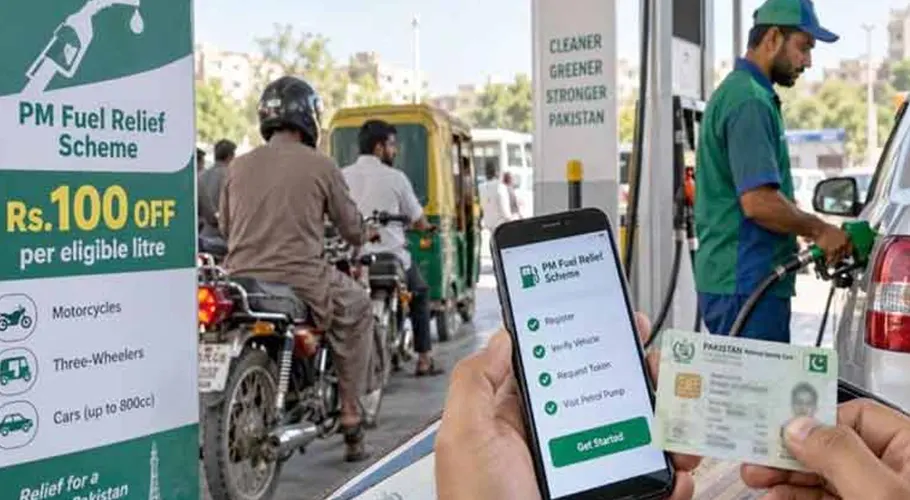
The latest revision saw the price of petrol rise by Rs5.44 per litre to Rs316.15 while high-speed diesel (HSD) — the primary fuel used by heavy transport vehicles — surged by Rs31.05 per litre to Rs354.35 Kerosene oil was also increased by Rs34.33 per litre taking its price to Rs276.66 per litre.
The increase has triggered fresh concerns across the transport and logistics sector, which warns that higher operating costs will inevitably be passed on to businesses and consumers through increased freight rates.
Addressing a press conference in Karachi, Pakistan Goods Transport Alliance President Malik Shehzad Awan demanded the immediate withdrawal of toll tax and withholding tax, arguing that transporters were receiving no relief despite facing escalating business costs.
He also called for the abolition of traffic challans and other levies, saying government policies had made it increasingly difficult for transport operators to remain financially viable.
“Transporters are being forced to park their vehicles because current government policies have made operations unsustainable,” Awan said.
Condemning the latest increase in petroleum prices, he stressed that the transport industry urgently required relief measures to prevent further disruption to the country’s supply chain.
The latest freight hike comes amid growing criticism from multiple segments of the petroleum supply chain over the government’s fuel pricing strategy.
Earlier, petrol pump owners also expressed reservations over proposals for more frequent revisions in petroleum prices, warning that rapid price fluctuations could erode already thin dealer margins while adding uncertainty for retailers.
Meanwhile, economists have long cautioned that increases in diesel prices have a broader inflationary impact than petrol, as HSD powers much of Pakistan’s freight transport, agricultural machinery and public transport network. The latest increase is therefore expected to raise transportation costs for essential goods, potentially adding further pressure to consumer prices in the coming weeks.