

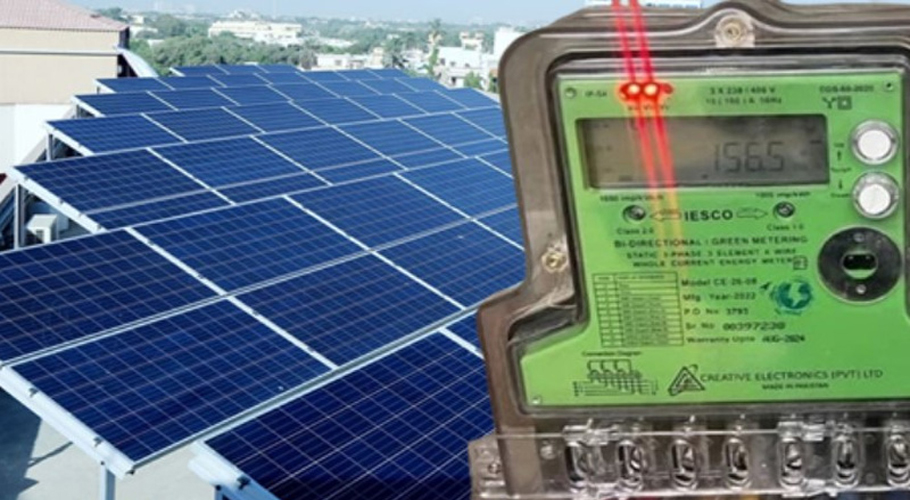
After months of speculations, the National Electric Power Regulatory Authority (Nepra) has replaced net metering with net billing, cutting buyback rate for future prosumers to Rs10-11 per unit from Rs26.
However, the new system created confusion among the erstwhile net metering users who were used to the unit-for-unit dealing under the old system. So, what’s net billing, how is it different from the previous system, and to what extent existing and new solar users will be affected.
According to the new rules, solar consumers will sell their excess electricity to the grid at a much lower rate than before, while electricity drawn from the grid will be charged at the same high tariff applicable to non-solar consumers.
Under net metering, consumers who generated electricity through solar panels used units according to their needs and supplied surplus power to the national grid. If a consumer produced more electricity than consumed, their electricity bill would be reduced and, in some cases, drop to zero.
Under the newly introduced net billing system, this fundamental concept has changed.
According to the new rules, solar consumers will sell their excess electricity to the grid at a much lower rate than before, while electricity drawn from the grid will be charged at the same high tariff applicable to non-solar consumers. Understanding this difference is crucial, as it forms the basis of financial gain or loss for consumers.
Earlier, exported and imported units were adjusted against each other. Under net billing, this will no longer apply. Earlier, one exported unit offset one imported unit; now, a consumer may need to export at least five units to offset the cost of one imported unit.
Electricity supplied to the grid will be priced separately, while electricity consumed from the grid will be billed independently at standard tariffs.
Electricity exported by the consumer will be purchased at the national average price, currently around Rs11 per unit, while electricity drawn from the grid will cost Rs40 to Rs50 per unit, or even more in some cases.