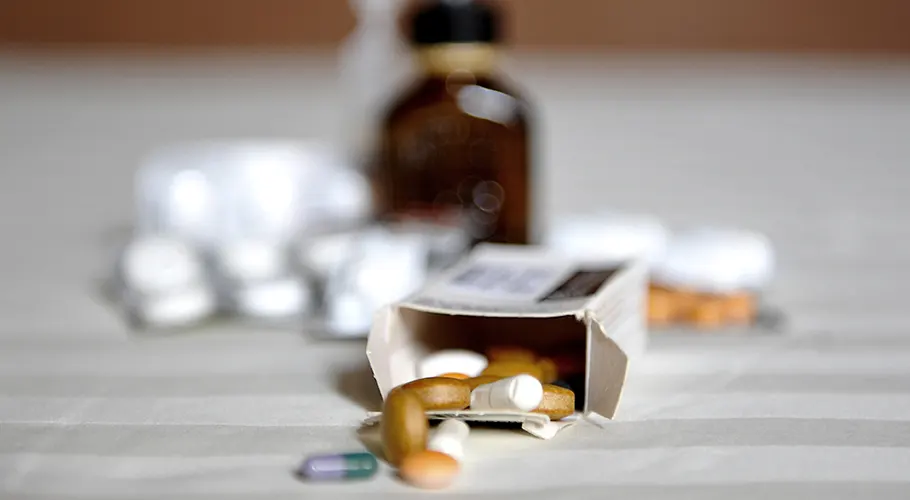


Drug Regulatory Authority of Pakistan (DRAP) has completed its second detailed survey examining price changes following the deregulation of non-essential medicines, revealing that the prices of 55% of medicines increased over the past two years.
According to the report, while more than half of the medicines surveyed recorded price increases during the period, around 42% became cheaper. In contrast, the prices of approximately 2.27% of medicines remained unchanged.
Official sources said the complete findings of both the first and second surveys are expected to be presented to the Prime Minister next week.
The deregulation policy was introduced during the tenure of the caretaker government, when official price controls on non-essential medicines were removed, allowing pharmaceutical companies to determine prices independently.
Under special directives from the Prime Minister, an initial review was conducted on 100 non-essential medicine brands. In the second phase, DRAP carried out a detailed analysis of more than 700 medicines belonging to 500 different non-essential brands.
For the second survey, major cities including Karachi, Lahore, Quetta, Peshawar, Islamabad, Faisalabad and Multan were selected. Prices available at 192 pharmacies and medical stores were formally compared to assess the actual market situation.
Sources further stated that a third-party survey on medicine pricing is also expected to be presented before the federal cabinet in the near future. Following that review, authorities will decide whether the deregulation of non-essential medicines should continue or whether some level of government price control should be reinstated.
However, life-saving essential medicines remain under government oversight, with their prices determined in accordance with the annual inflation rate.