
ISLAMABAD/RIYADH: A major development in the global oil market has brought potential relief for petroleum consumers, as Saudi Arabia’s state-owned oil giant, Saudi Aramco, has cut the prices of crude oil supplied to Asian buyers for November by more than expected. The reduction has pushed prices to nearly a six-year low.
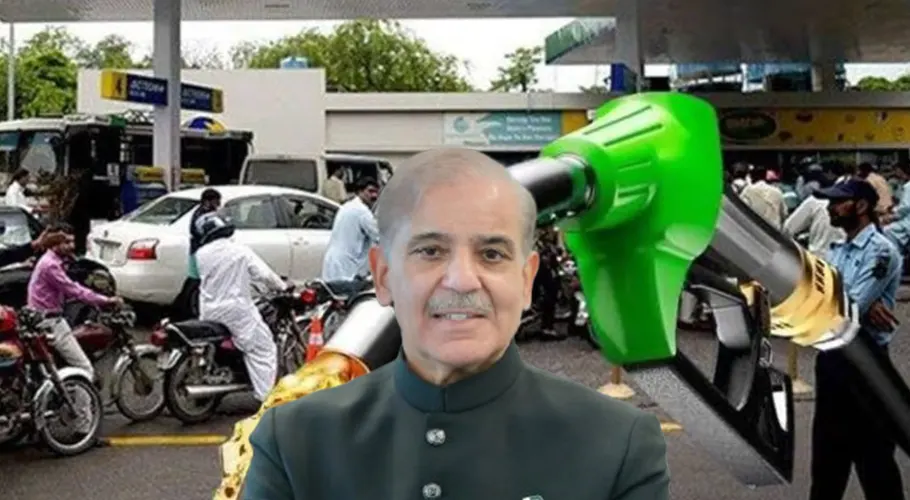
The development has also raised an important question in Pakistan: will the Shehbaz Sharif government pass on the benefit of lower international oil prices to ordinary consumers, or will the government once again cite the war involving Iran, global uncertainty and domestic economic pressures as reasons for keeping the burden on the public?
Questions are increasingly being raised over why Pakistani consumers often fail to receive the full benefit when crude oil prices decline in the international market, despite facing immediate price increases when global oil prices rise.
Already struggling with high inflation and the burden of taxes, Pakistani consumers are now looking towards the government to see whether the decline in international oil prices will translate into lower petrol and diesel prices at home.
The key question is whether the government will provide meaningful relief to consumers following the latest decline in global oil prices, or whether factors such as the International Monetary Fund’s programme, economic pressures and the regional conflict will once again be cited to justify maintaining the existing burden on the public.
Meanwhile, uncertainty over global oil supply remains high. The Organization of the Petroleum Exporting Countries and its allies, known as OPEC+, has postponed its review of production quotas for its member countries for 2027.
According to sources familiar with the matter, several projects aimed at expanding oil production capacity in the Middle East have been affected by the ongoing US-Israeli war against Iran. The conflict and resulting uncertainty have also complicated estimates of the region’s future oil production capacity.
For Pakistan, the latest development has added further pressure on the government to explain how much of any decline in international crude prices will be passed on to domestic consumers.
The question now is straightforward: with Saudi Aramco cutting crude prices for Asian buyers to nearly a six-year low, will the Shehbaz government deliver the benefit to the Pakistani public, or will the Iran conflict and the country’s economic difficulties once again be used to justify keeping consumers under the burden of high petroleum prices?