
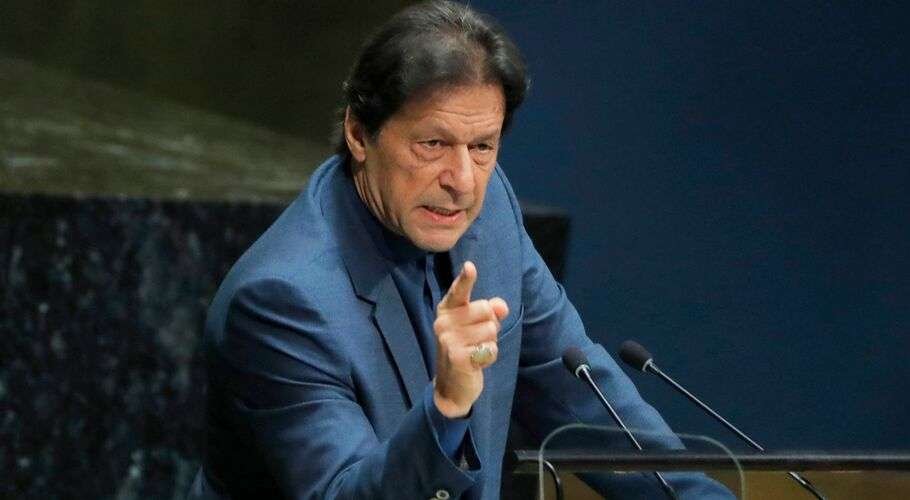
ISLAMABAD: For months, a persistent commentary echoed across talk-show panels, political pressers, and social media feeds: the narrative that incarcerated Pakistan Tehreek-e-Insaf (PTI) founder Imran Khan was actively negotiating a covert exit with the state establishment.
ڈیل کرتے ہو اور پھر چھپاتے ہو
تھوکا چاٹ کر خود کو الو بناتے ہو😂😂😂😂 https://t.co/fpAGmm5BpU pic.twitter.com/nUnyOnq5Bx
— Mian Dawood (@miandawoodadv) August 20, 2026
Pundits and pro-establishment commentators framed every procedural development as evidence of a clandestine compromise.
جو سیاستدان ڈیل کرلے اسکو کیا کہتے ہیں؟
— Salman Durrani (@DurraniViews) August 20, 2026
When the Supreme Court of Pakistan ordered Khan’s transfer to Shifa International Hospital on August 18, critics seized upon the order as the long-rumored “deal” coming to fruition.
اور عمران خان نے پیر پکڑ کر ایک مرتبہ پھر معافی مانگ لی
سالے کہتے تھے کہ ڈیل نہیں کرے گا۔۔۔۔
— Mian Dawood (@miandawoodadv) August 20, 2026
However, the dramatic sequence of events that transpired between Rawalpindi and Islamabad late Thursday night did not reflect the smooth execution of a negotiated settlement. Instead, it laid bare a fractured, deeply contentious legal and state standoff that effectively dismantled the “deal” narrative.
The Anatomy of the Spin vs. Executive Resistance
When a three-member Supreme Court bench, headed by Justice Shahid Waheed, issued interim directions granting Khan’s transfer to a private facility, the allowance of his personal physicians, and restored family visitations, political opponents quickly framed the relief as an institutional arrangement.
The optics were engineered to suggest that the state apparatus was facilitating an honorable retreat for the former prime minister.
بریکنگ:عمران خان نے کل رات ہسپتال آنے سے انکار کردیا تھا، وہ اس شرط پر آئے تھے کہ صرف ٹیسٹ کروا کر واپس آ جائیں گے ، اب اطلاعات ہیں کہ عمران خان واپس اڈیالہ چلے گئے ہیں ، عمران خان نے ہسپتال رکنے سے انکار کردیا ہے ، عمران خان یہ تاثر نہیں دینا چاہتے کہ انہوں نے کوئی ڈیل کی ہے
— ch shahid ajmal (@chshahidajmal1) August 21, 2026
Yet, the executive branch’s subsequent actions told a fundamentally different story:
– State Resistance: Rather than smoothly facilitating the hospital shift, the federal government—via the Chief Commissioner ICT—swiftly filed a review petition arguing that private hospital transfers set a discriminatory precedent and violated prison rules.
– Judicial Pushback: The Supreme Court Registrar returned the government’s petition over procedural deficiencies, leaving the state facing a strict midnight deadline under threat of contempt.
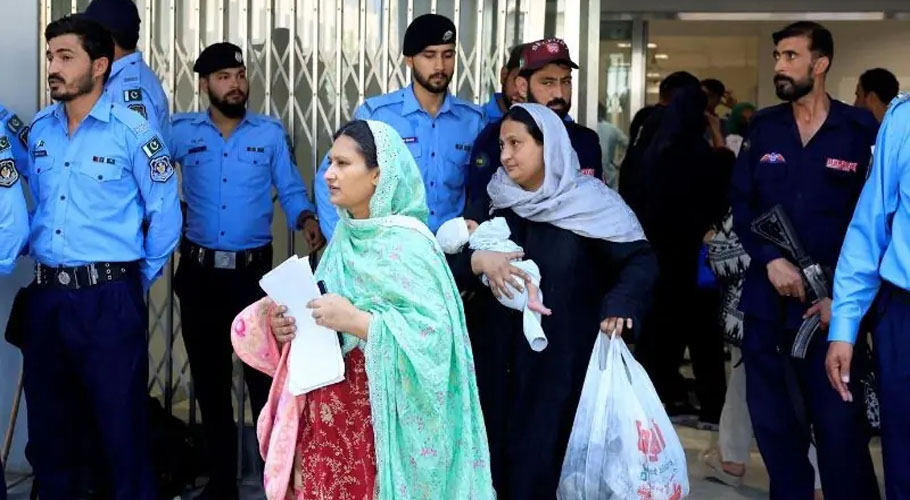
– The Midnight Gambit: What followed was a logistically chaotic operation involving convoy maneuvers between Adiala Jail, PIMS, and Shifa International Hospital—punctuated by opposition claims of decoy tactics, unfulfilled medical evaluations, and an abrupt return to prison before dawn.
Why the “Deal” Premise Collapses
As political observers put it, in Pakistani political history, genuine “deals” between political figures and the state establishment have consistently followed a predictable blueprint: muted judicial opposition, swift state compliance, minimal friction, and a controlled transition toward relief or exile.
مقتدرہ نے ہمیشہ سیاستدانوں کو بدنام کیا ہے کہ ڈیل کرتے ہیں جیل چلے جائیں تو بیماری کا بہانہ بناتے ہیں لیکن عمران خان نے اڈیالہ جیل واپس جا کر ملٹری مقتدرہ کی یہ کوشش بھی ناکام بنا دی جس میں ان کی کوشش تھی کہ ایک تاثر بن سکے کہ عمران خان نے ڈیل کر لی ہے ۔۔!
— Ahsan Wahid (@AhsanWahid13) August 21, 2026
The friction witnessed over Khan’s medical transfer stands in direct contrast to that historical pattern:
1. Active State Resistance: A government operating under a negotiated consensus does not aggressively challenge a medical transfer in the apex court nor risk a high-stakes standoff over prison protocols.
2. Institutional Friction: The reluctance of administrative authorities to implement the court’s order—evidenced by the last-minute legal maneuverings and route confusion—underscores an active reluctance to grant institutional latitude to the PTI founder.
3. Sustained Political Confrontation: Far from dialing down political pressure, PTI leadership reiterated plans for nationwide mobilizations, maintaining an adversarial posture toward the administration.
The Reality of Institutional Stalemate
The events of August 20–21 demonstrate that the ongoing struggle surrounding Imran Khan is not governed by backroom understandings, but rather by rigid legal battles, administrative maneuvering, and mutual distrust.
The narrative that a “deal” had been struck fundamentally mischaracterized a routine legal intervention regarding prisoner health as a political compromise.
As the smoke cleared on Friday morning with Khan back inside Adiala Jail and legal teams preparing their next filings before the Supreme Court, the reality was clear: no deal exists, the institutional impasse remains intact, and the battle over the former premier’s fate continues to be fought out in open court.