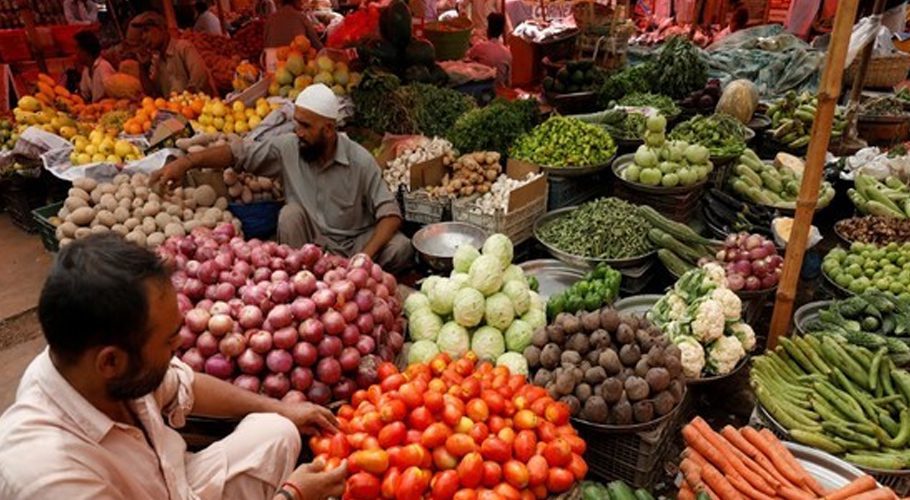

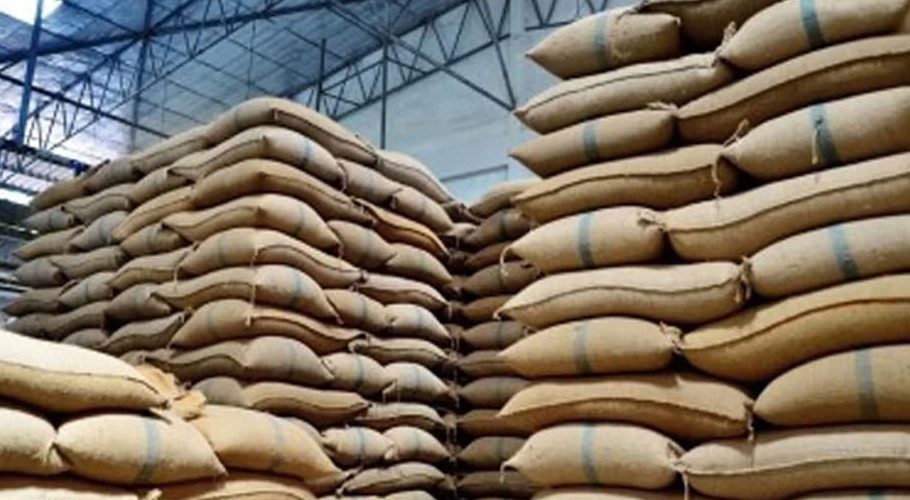
Flour mill owners have held the Punjab government responsible for the ongoing artificial wheat crisis, claiming that the ban on inter-provincial movement of wheat and flour has led to a looming shortage and rising prices nationwide.
According to details, mill owners allege that Punjab’s enforcement of Section 144—banning the movement of wheat and related products across provinces—has triggered an artificial supply crunch, which resulted in additional burden of soaring flour prices on consumers.
The Pakistan Flour Mills Association (PFMA) South Zone said that such restrictions violate the government’s wheat deregulation policy and Article 151 of the Constitution, which ensures free trade between provinces. The association warned that provincial-level disruptions could eventually spark a nationwide crisis.
PFMA South Zone Chairman Abdul Junaid Aziz, in a letter to Federal Minister for National Food Security Rana Tanveer Hussain, said that billions worth of wheat reserves in Punjab are at risk, especially in flood-affected areas. He added that citizens in other provinces are being deprived of affordable flour due to the restrictions.
He stressed that Punjab produces 70% of the country’s wheat, which is crucial for other provinces. “We are one nation, and such policies damage national unity,” he wrote, urging federal intervention.
Aziz further warned that the stored wheat could be wasted if not relocated to safer areas in other provinces.
PFMA executive Chaudhry Aamir Abdullah suggested either lifting the ban or allowing the private sector to import one million tons of wheat to avert a crisis.
Millers cautioned that failure to act promptly could lead to a severe flour shortage and skyrocketing inflation in the coming months.