
The year 2025 is ending in Khyber Pakhtunkhwa with memories of political instability and a surge in terrorist violence, leaving deep scars across the province.
Throughout the year, several deadly attacks took place, including suicide bombings at Darul Uloom Haqqania and the Frontier Corps (FC) headquarters. Jamiat Ulema-e-Islam (S) leader Maulana Hamid-ul-Haq Haqqani was among those martyred in a suicide attack.
Southern districts and tribal areas remained frequent targets of militants, making 2025 a particularly difficult year for security in the province.
The political situation also remained tense. The provincial government faced repeated uncertainty, with rumours of governor’s rule surfacing several times. The year proved decisive as Khyber Pakhtunkhwa saw a change in chief minister.
PTI’s founding chairman removed Ali Amin Gandapur from the post of chief minister and nominated Sohail Afridi as his replacement. Just days before stepping down, Gandapur reshuffled the provincial cabinet on 2 October.
After Gandapur’s resignation, disagreements emerged over the oath-taking of the new chief minister, forcing PTI to approach the courts. Following court orders, the governor of Khyber Pakhtunkhwa administered the oath to Sohail Afridi.
The new chief minister faced challenges in running government affairs after being denied permission to meet the party’s founding chairman. As a result, the cabinet had to be formed without direct consultation, adding to political tensions.
Alongside political unrest, law and order deteriorated sharply. In Bajaur, an attack on an assistant commissioner’s vehicle killed five people, including the officer.
A suicide bombing at Darul Uloom Haqqania claimed the lives of Maulana Hamid-ul-Haq and five others.
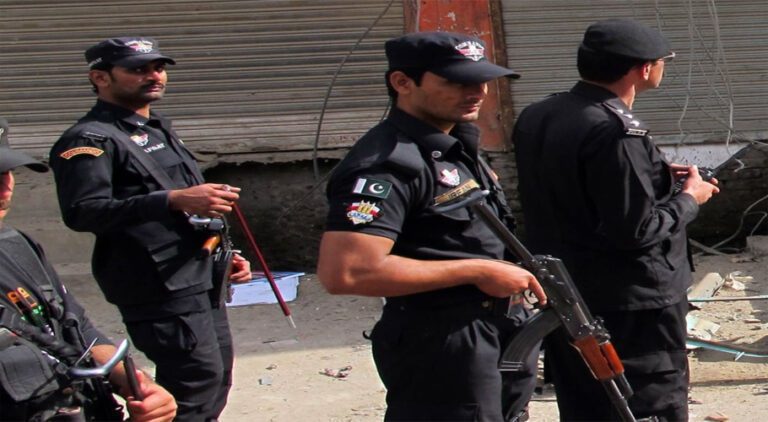
According to official data, the province witnessed eight suicide attacks and 1,588 terrorism-related incidents during the year. District Bannu remained among the worst affected areas, while Peshawar also saw an attack on the FC headquarters.
As 2025 comes to a close, Khyber Pakhtunkhwa is left grappling with the combined impact of political uncertainty and persistent security challenges, particularly in its tribal and southern districts.