
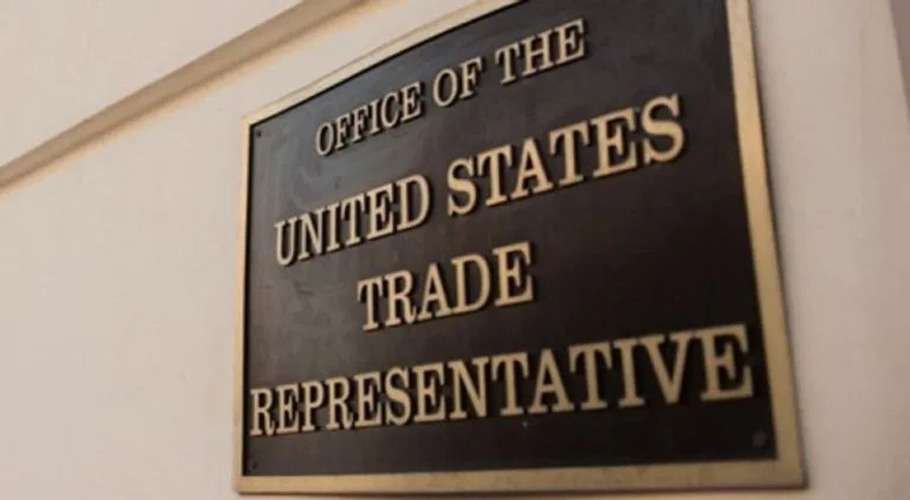
WASHINGTON: The United States has imposed a 10% tariff on Pakistani goods as part of a sweeping Section 301 action against 60 economies, citing failures to adequately prohibit and enforce bans on the import of forced-labor-made products, the Office of the U.S. Trade Representative (USTR) said.
Ambassador Jamieson Greer, in a statement announcing the final action, said decades of moral suasion had failed to eliminate forced labor from global supply chains, and that trading partners must now match the enforcement standards the United States has upheld under its own century-old import ban.
The action followed investigations launched at President Trump’s direction in March, two rounds of public hearings, consultations with more than 45 governments, and over 3,700 combined public comments across the process, according to USTR.
Pakistan was placed in the 10% tariff bracket alongside countries including Bangladesh, India, Indonesia, Mexico and the United Kingdom — economies USTR said had either imposed a forced-labor import prohibition, committed to one through a reciprocal trade agreement, or introduced a partial regime restricting some forced-labor goods. Other investigated economies face duties of up to 12.5%.
The tariff lands at a delicate moment for Islamabad.
Over the past several months, Pakistan has positioned itself as a central mediator in the U.S.-Iran conflict, hosting the Islamabad Talks in April and brokering an extended ceasefire between Washington and Tehran. Pakistani officials have pointed to that diplomatic role — along with a deepened security partnership with Saudi Arabia, including the deployment of troops, fighter jets and air-defense assets to the kingdom — as evidence of Pakistan’s rising strategic weight in the region.
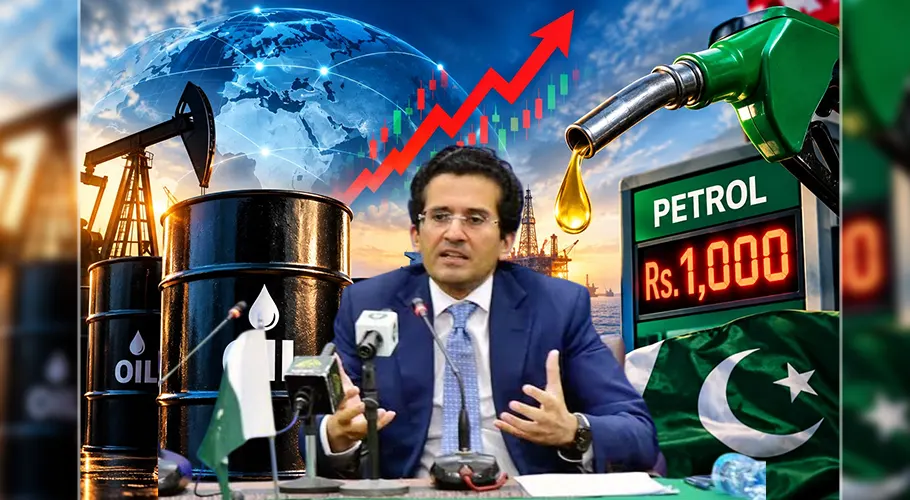
That mediation has not insulated Pakistan’s economy from the conflict’s fallout. More than 80% of the country’s energy imports transit the Strait of Hormuz, and disruptions to shipping through the strait during the war have been linked by regional analysts to a sharp rise in Pakistani petroleum prices, adding to strain on a economy already grappling with high inflation.
The new U.S. tariff adds a separate pressure point. Textiles and apparel, in which forced-labor compliance was a central issue in USTR’s investigation, are among Pakistan’s largest export categories to the United States, and industry groups are expected to assess the impact on price competitiveness in the U.S. market in the coming days.
USTR said product exemptions would apply in limited cases, including raw materials whose unavailability could disrupt the U.S. economy and goods that cannot be sourced domestically or from other trading partners at reasonable cost. The tariffs take effect following publication in the Federal Register.
Islamabad has not yet issued a formal response to the U.S. determination.