

RIYADH: The Saudi Ministry of Hajj and Umrah has issued a stern directive to all international Umrah visa holders, ordering them to depart the Kingdom by April 18.
The move, aimed at streamlining logistics ahead of the upcoming Hajj season, comes at a precarious time as a widening Middle East conflict triggers unprecedented aviation disruptions across the region.
According to official statements, the ministry emphasized that all pilgrims must leave the country before their visas expire. Failure to comply will result in severe legal repercussions, including heavy fines, imprisonment, deportation, and a subsequent ban on re-entry.
The April 18 deadline is believed to be a traditional measure to phase out Umrah activities, allowing authorities to manage crowd flow and prepare infrastructure in the holy cities of Makkah and Madinah for millions of Hajj pilgrims.
However, this year’s enforcement is coupled with a heightened security drive as the Ministry of Interior has also warned Saudi citizens and residents against providing shelter or assistance to over-stayers. Those found harboring visa violators face a fine of up to SR50,000 and six months in prison, with expatriate residents also facing deportation for such violations.
While the Saudi government has maintained that its airspace remains generally open—with major hubs like Jeddah’s King Abdulaziz International Airport (KAIA) and Riyadh’s King Khalid International Airport (KKIA) operational—the ground reality for departing pilgrims is increasingly complex.
Since late February 2026, escalations involving US-Israel strikes on Iran and subsequent retaliations have forced several regional neighbors to restrict or close their airspaces. This has had a cascading effect on global carriers:
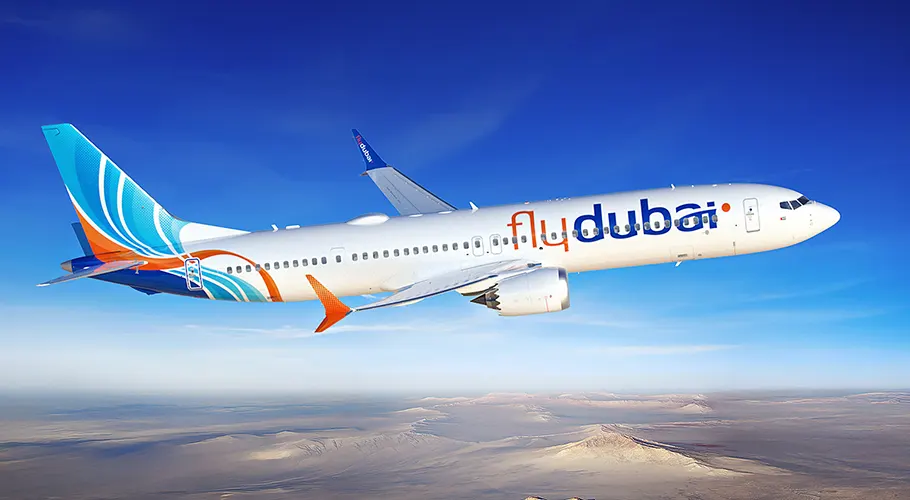
Flight Suspensions: Major airlines including Emirates, Etihad, Turkish Airlines, and Cathay Pacific have suspended or rerouted flights to and from Gulf hubs.
Stranded Pilgrims: Thousands of pilgrims from Indonesia, India, Pakistan, and Nigeria are currently facing cancellations or exorbitant rebooking costs.
Operational Challenges: While Saudi carriers like Saudia and Flynas continue to fly, many international routes now require longer detours over Oman or the Red Sea, limiting seat availability as the deadline approaches.
Despite these “force majeure” circumstances, Saudi authorities have yet to announce any official flexibility regarding the April 18 cutoff.
As of late March 2026, the Ministry of Hajj and Umrah urges all pilgrims currently in the Kingdom to:
Confirm Immediately: Check flight statuses directly with carriers daily, as schedules are shifting with little notice.
Utilize Nusuk: Monitor the Nusuk app for any real-time updates regarding visa status or permits.
Seek Alternatives: If direct flights to home countries are suspended, pilgrims are advised to explore transit through less-affected hubs or consult their respective embassies for repatriation assistance.
With the deadline less than a month away, travel agents warn that congestion at airports will likely intensify, urging those with valid permits to secure their departures well in advance of the mid-April cut-off.