

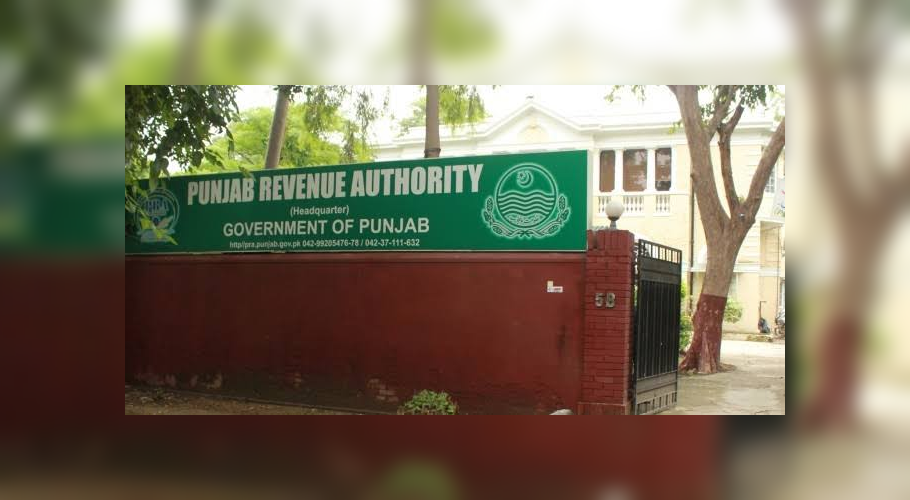
LAHORE: The Punjab Revenue Authority (PRA) has implemented a comprehensive ban on the issuance of raw receipts by restaurants, hotels, coffee shops, and marriage halls across Punjab, marking a significant effort to eliminate tax manipulation and enhance transparency in the hospitality sector.
The decision, issued under the directive of PRA Chairman Moazzam Iqbal Supra, has been formally notified to all district commissioners across the province.
The new regulation requires all food and beverage establishments, as well as marriage halls, to issue receipts exclusively through the Electronic Invoicing and Monitoring System (EIMS).
This shift from manual to digital receipt issuance is designed to create a permanent digital trail of all transactions and prevent informal accounting practices that have historically enabled tax evasion.
Establishments are prohibited from issuing kitchen order slips, unpaid bills, or other informal receipts to consumers.
All receipts issued to customers must include the business name, address, receipt number, and a QR code linked to the Punjab Revenue Authority’s system.
Penalties and Enforcement Measures
| Violation Type | Penalty/Consequence |
|---|---|
| Non-compliance with EIMS requirement | Fine between Rs 400,000 and Rs 1,000,000 |
| Repeated or continuous violations | Business closure for up to one month |
| Interference with government operations | Strict legal action |
| Tampering with sales records | Strict legal action |
| Failure to provide records for inspection |
The authority has made clear that enforcement will be rigorous, with warnings issued regarding legal consequences for businesses that attempt to circumvent the system or obstruct government oversight.
Strategic Objectives
Officials said the initiative aims to achieve three primary goals: enhance transparency in tax collection, establish comprehensive digital records of sales transactions, and eliminate opportunities for tax evasion.
By centralizing receipt generation through EIMS, the PRA seeks to close loopholes that have allowed businesses to underreport revenue and avoid tax obligations.
This regulatory action represents a broader push toward digital formalization of Pakistan’s hospitality sector, aligning tax administration with modern accounting practices and international standards for business record-keeping.