
KARACHI: The nine‑day goods transport strike has caused an estimated loss of Rs450 billion to Pakistan’s export sectors, with value‑added textiles, knitwear, ready‑made garments and towel industries warning of unprecedented freight hikes and lost shipping space.
Media reports quoted Chief Coordinator of Export Associations Muhammad Javed Bilwani, PHMA Chairman Muhammad Babar Khan, and TMA leader Athar Bari saying the prolonged disruption had almost completely halted the movement of export cargo.
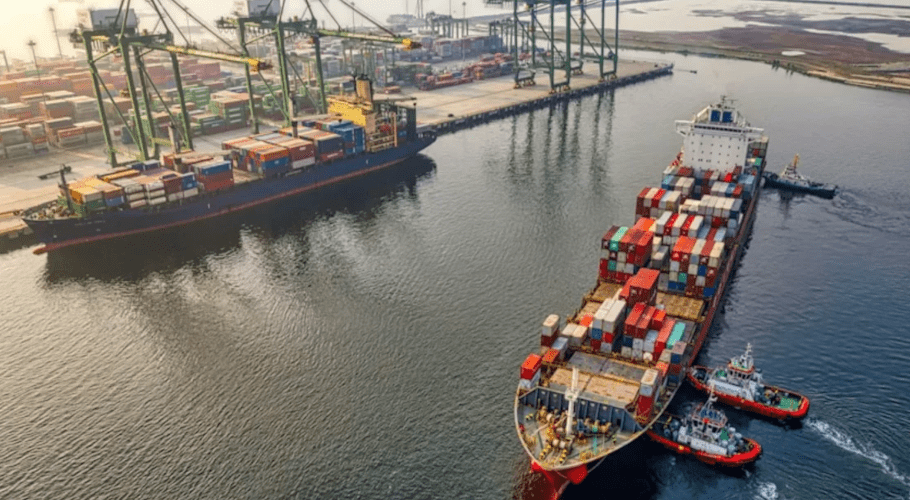
Containers from factories and warehouses could not reach Karachi Port and Port Qasim, resulting in missed shipping schedules and lost space on vessels.
They cautioned that exporters now face heavy freight costs to secure limited shipping slots, with rates rising more than 300 percent. “This increase is absolutely unbearable for Pakistani exporters,” Bilwani said, warning that profit margins and global competitiveness were at risk.
Foreign Exchange Losses Mount
Exporters stressed that the strike had drained valuable foreign exchange, with millions of dollars transferred abroad in the form of additional freight charges.
About 65 percent of Pakistan’s shipments are on FOB terms, while 35 percent are under C&F/CFR and other freight‑inclusive contracts, placing direct responsibility for international freight costs on local exporters.
Even FOB shipments, they noted, were severely affected by vessel space shortages, shipment delays, and the risk of losing international buyers.
Background of Sector Unrest
It may be recalled here that the strike, which began on August 8, followed weeks of turmoil in the petroleum sector.
Goods transporters had earlier staged nationwide protests against the disputed daily fuel pricing mechanism, paralyzing supply chains before postponing their strike for 40 days after government assurances.
Petroleum dealers and oil marketing companies have also pressed for higher margins, citing financial strain.
Despite concessions, exporters argue that policy announcements and incentives alone cannot achieve targets.
“The government must ensure a reliable, uninterrupted and internationally competitive export logistics system,” Bilwani emphasized, urging authorities not to remain “silent spectators” as the country’s export base suffers.