

KARACHI: Federal Minister for Health Syed Mustafa Kamal has announced a major healthcare expansion drive, revealing that Pakistan now houses an estimated 11 million Hepatitis C patients, with a significant portion of the population remaining unscreened.
Speaking at a foundation stone-laying ceremony in Karachi, the Health Minister laid out a grim picture of the country’s public health challenges while outlining urgent government interventions to overhaul healthcare delivery and combat disease.
Alarmingly High Disease Burden & Public Health Crisis
Highlighting severe public health deficits, Mustafa Kamal emphasized that poor sanitation and lack of clean drinking water are driving widespread illness:
– Water-Borne Illnesses: Up to 68% of diseases in the country stem from contaminated water. In Sindh alone, 80% of the population lacks access to clean drinking water.
– Child & Maternal Mortality: Pakistan suffers an alarming 400,000 child deaths every year, alongside 11,000 maternal deaths during childbirth.
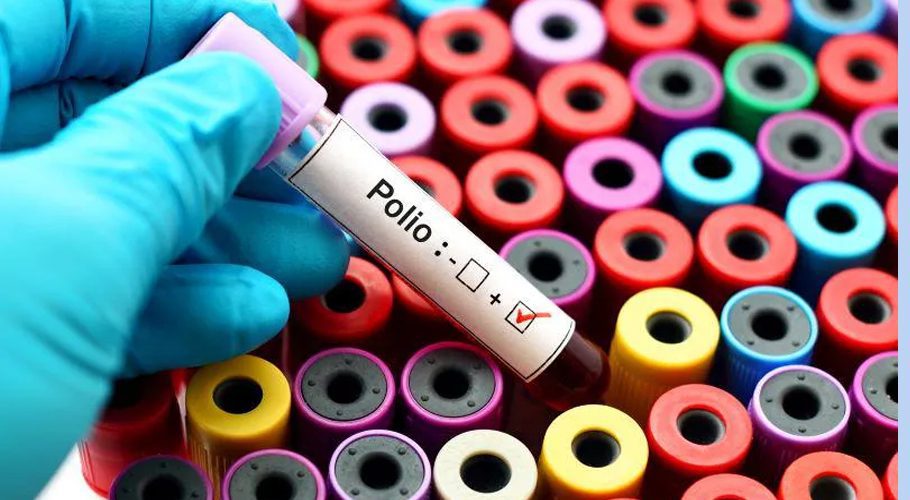
– Chronic & Endemic Conditions: Every third individual in the country is diabetic, and Pakistan remains among the very few nations globally still classified as polio-affected.
The crisis is compounded by the staggering spread of Hepatitis C.
Expert evaluations from international bodies, including the US-based Centre for Disease Analysis (CDA), note that Pakistan has surpassed countries like China, India, and Nigeria to host the world’s largest population living with Hepatitis C, adding over 400,000 new infections annually.
Overall, over 15 million people in the country suffer from Hepatitis B or C combined.
Multi-Billion Rupee Healthcare Expansion Plan
To tackle the mounting health crisis, the federal government has launched targeted interventions:
1. Upgrading Primary Health Facilities:
The Health Minister laid the foundation stone for transforming a local federal government dispensary in Karachi into a modern 40-bed secondary hospital.
Previously offering limited services from 8:00 AM to noon, the facility will soon feature round-the-clock emergency care, full diagnostic and X-ray services, and expanded telemedicine access.
2. Project Cost & Timeline:
The new secondary hospital—the fourth such facility being established in the region—will be completed in four months at a cost of Rs. 66 crore (660 million). To ensure operational efficiency, private sector partnership will be engaged for facility management.
3. Federal Dispensary Expansion Budget:
The federal government has allocated Rs. 2.86 billion to expand dispensary infrastructure and bring specialized medical facilities closer to neighborhoods.
Mandatory Screening & Elimination Drive
These infrastructure investments complement the federal government’s broader strategy under the Prime Minister’s Hepatitis Programme. Backed by a Rs. 67 billion funding pool, the initiative includes:
– Mandatory Screening: Mandatory hepatitis screening for federal government employees across all ministries and departments to detect infections early.
– Free Diagnostic & Treatment Services: Suspected cases receive free Polymerase Chain Reaction (PCR) testing—supported by high-tech equipment installed at the National Institutes of Health (NIH)—alongside free state-funded medication for confirmed diagnoses.
– Testing Infrastructure: Over 50,000 specialized diagnostic test kits have already been deployed to accelerate early detection and curtail community transmission.