

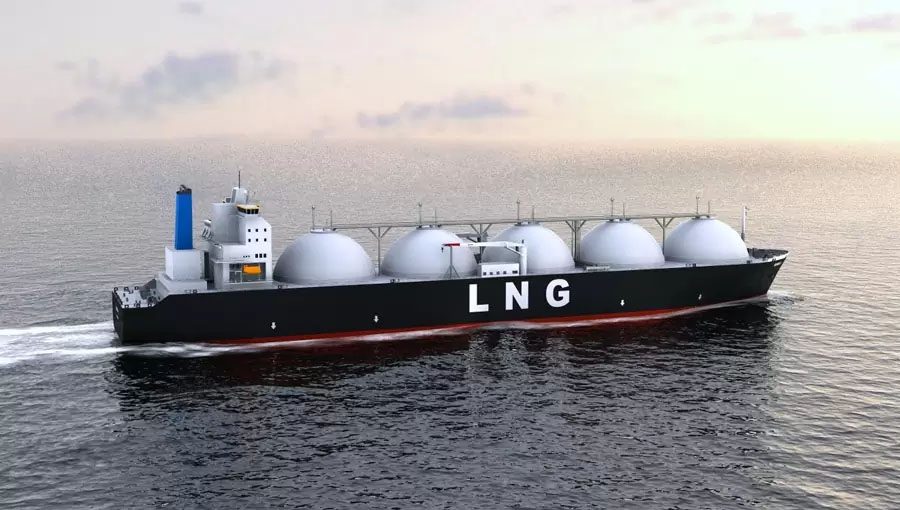
ISLAMABAD: Pakistan has received its first liquefied natural gas (LNG) cargo for October ahead of the winter season. However, a widening gap between gas demand and available supply is raising concerns about the country’s ability to meet its energy requirements during the winter of 2026–27.
According to sources, the LNG vessel Al Areesh, carrying a shipment from Qatar, arrived in Pakistan on Tuesday and berthed at the Engro LNG terminal at 11:05 a.m. The process of transferring the LNG from the vessel to the terminal’s regasification system officially began at noon.
Recent estimates suggest that Pakistan will require at least 24 LNG cargoes to meet its overall gas needs during the upcoming winter season.
Meanwhile, daily gas demand across the Sui Northern Gas Pipelines Limited (SNGPL) network, currently estimated at around 550 million cubic feet per day (MMCFD), is projected to rise to 1,550 MMCFD during winter.
Similarly, demand across the Sui Southern Gas Company (SSGC) network could increase from the current level of 300 MMCFD to 500 MMCFD per day.
Energy experts warn that the widening gap between gas demand and supply could affect the uninterrupted provision of gas to export-oriented and domestic industries, the compressed natural gas (CNG) sector, and cement manufacturers during the colder months.
Any significant disruption in gas supplies could put additional pressure on industrial operations and pose challenges for businesses that rely on a consistent supply of natural gas.
With winter approaching, ensuring adequate LNG supplies and managing rising domestic demand are expected to remain key challenges for Pakistan’s energy sector.