
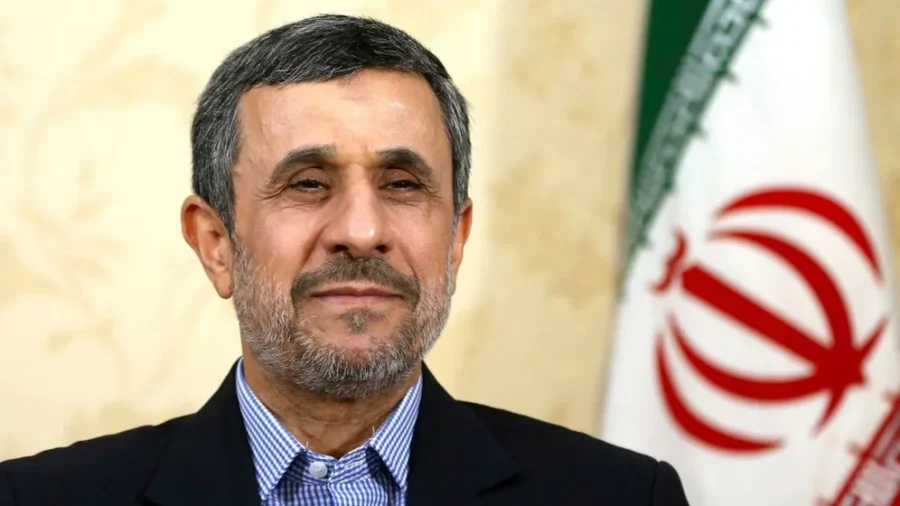
Mahmoud Ahmadinejad is an Iranian politician who served as the sixth president of Iran from 2005 to 2013.
Known for his outspoken rhetoric and hardline political views during his presidency, Ahmadinejad became one of Iran’s most internationally recognized leaders, particularly because of disputes over the country’s nuclear program and his confrontational stance toward Western governments.
Born on October 28, 1956, in Aradan, Semnan Province, Ahmadinejad studied civil engineering and later earned a doctorate in transportation engineering.
Before entering national politics, he held several administrative positions, including governor of Ardabil Province and mayor of Tehran.
During his presidency, Ahmadinejad introduced large-scale subsidy and welfare programs aimed at supporting lower-income families. However, his administration also faced criticism over rising inflation, economic challenges, and the impact of international sanctions imposed on Iran.
His time in office coincided with heightened tensions between Iran and the West over Tehran’s nuclear activities. The 2009 presidential election, in which Ahmadinejad secured a second term, sparked widespread protests after opposition groups alleged electoral fraud.
The demonstrations, known as the Green Movement, became one of the largest political challenges faced by the Islamic Republic in decades.
After completing his second term in 2013, Ahmadinejad remained active in Iranian politics. Although he has attempted to return to the presidential race, Iran’s Guardian Council has repeatedly disqualified him from running.
Today, Mahmoud Ahmadinejad continues to comment on domestic and international issues through public speeches and social media, but he no longer holds an official government position. His political influence has declined compared with his years in office, though he remains a well-known and often controversial figure in Iranian politics.