

Two oil supertankers abruptly reversed course in the strategically vital Strait of Hormuz on Sunday, as heightened tensions followed the collapse of high-stakes negotiations between United States and Iran over maritime security and the reopening of the critical oil transit route.
Shipping data showed that two empty supertankers — “Agios Fanourios I”, which was headed towards Iraq, and Pakistan-flagged “Shalamar”, en route to the United Arab Emirates — made sudden U-turns near Larak Island on April 12 after approaching from the Gulf of Oman. A third vessel, “Mombasa B”, successfully transited into the Persian Gulf via a route previously approved by Iranian authorities.
The abrupt reversals coincided with the breakdown of US-Iran talks held in Islamabad, where negotiators failed to reach an agreement on ensuring safe passage through the strait despite a fragile ceasefire. The timing has raised immediate concerns over maritime security, even though prior clearances had reportedly been granted to vessels linked to Iraq and Pakistan.
US–Iran negotiations end in deadlock after 21 hours in Islamabad
There were no immediate indications that the vessels involved had any direct operational or ownership ties to Iran, suggesting that the move reflects broader caution among global shipping operators navigating the increasingly volatile region.
The Strait of Hormuz is one of the world’s most critical energy corridors, handling roughly a fifth of global oil and gas flows. Any disruption to traffic through the narrow waterway has immediate implications for global energy markets and supply chains, with the latest developments echoing previous periods of instability linked to US-Iran tensions.
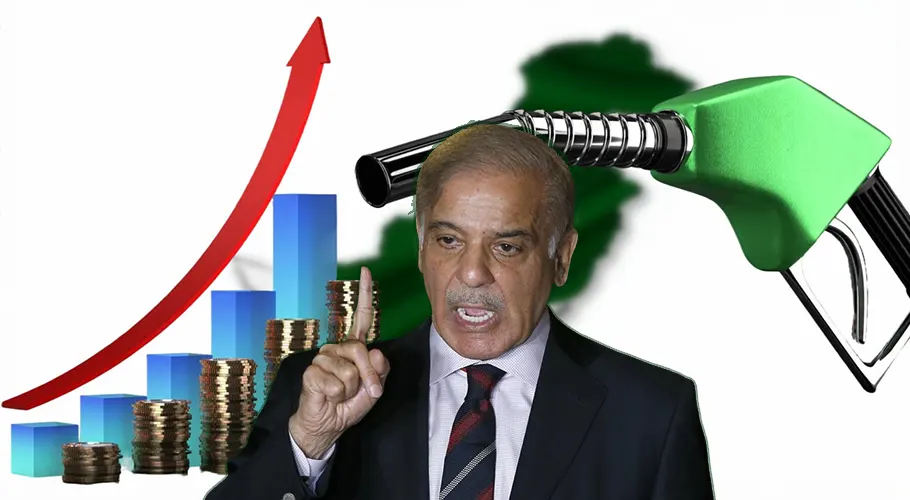
Analysts warn that prolonged uncertainty following the inconclusive negotiations could drive oil prices higher, disproportionately affecting import-dependent economies such as Pakistan through increased petroleum costs. Shipping activity in the strait has already shown signs of sharp decline at peak tension levels, forcing vessels to consider longer alternative routes around Africa — adding up to two weeks in transit time and significantly increasing operational costs.
The disruption is also expected to cascade beyond energy markets, contributing to container shortages, port congestion and higher demurrage charges, while impacting trade in commodities such as metals and manufactured goods between Asia and Europe. Fertiliser supply chains may face strain, raising concerns over agricultural output, while potential liquefied natural gas disruptions could affect power generation across Europe and Asia.
In the near term, economists estimate the impact on global growth to remain limited if tensions ease quickly, but warn that a prolonged disruption lasting beyond a month could shave up to one to two percentage points off global growth. Coupled with existing inflationary pressures and geopolitical risks, such a scenario could push already vulnerable regions, including parts of Europe and South Asia, towards a broader economic slowdown, despite some cushioning from US shale output.