

KARACHI: The Pakistan Stock Exchange (PSX) endured a turbulent trading week ending July 24, with the benchmark KSE-100 Index suffering a sharp decline of 4,781 points as investors grappled with mounting economic uncertainty, external trade concerns and inflationary pressures.
The benchmark index closed the week at 171,021 points, reflecting sustained selling pressure throughout the five trading sessions.
The week’s performance marked one of the steepest declines in recent months, underscoring the sensitivity of the country’s capital market to economic and policy developments both at home and abroad.
The market witnessed exceptional volatility during the week, with the KSE-100 Index swinging within a wide 8,857-point range.
The index touched a weekly high of 178,370 points before tumbling to a low of 169,512 points, highlighting heightened nervousness among investors.
Despite the bearish sentiment, trading activity remained robust. A total of 3.48 billion shares changed hands during the week, with a cumulative traded value of Rs138 billion, indicating active participation by investors amid sharp market swings.
The prolonged selloff also eroded investor wealth, as the PSX’s total market capitalization declined by Rs512 billion, settling at Rs19.278 trillion by the end of the week.
Analysts attributed the market’s volatility to a combination of domestic and external factors.
Investor sentiment remained under pressure over concerns surrounding Pakistan’s macroeconomic outlook, uncertainty over fiscal and taxation measures, and fears of slowing corporate earnings amid rising input costs.
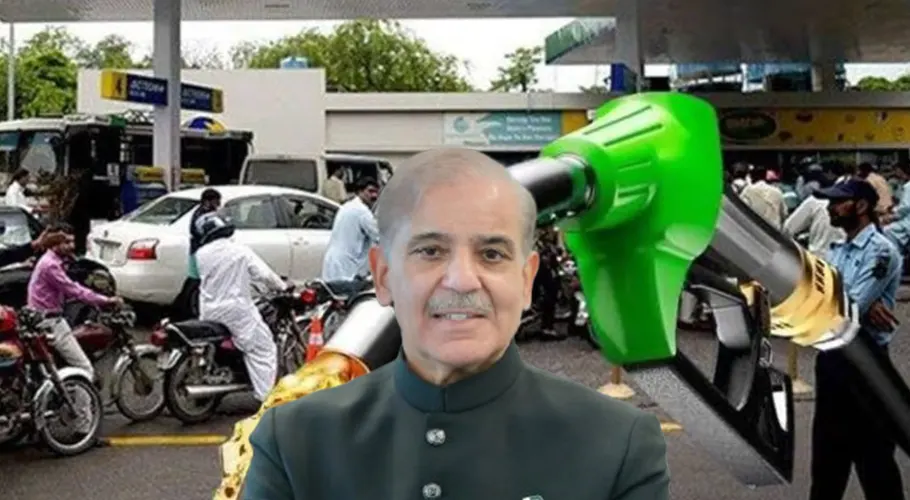
Adding to the unease were the United States’ decision to impose a 10% tariff on Pakistani exports, raising concerns over the country’s export competitiveness, and the government’s continued upward revisions in petroleum prices under the daily pricing mechanism.
The fuel price hikes are expected to push inflation higher, increase production and transportation costs, and squeeze profit margins across several sectors.
The market also reacted to policy uncertainty, with investors questioning the consistency of the government’s economic approach.
The recent increase in allowances and benefits for sections of the bureaucracy, alongside calls for austerity, has fueled concerns over fiscal discipline and weakened investor confidence.
Furthermore, cautious participation by institutional investors and profit-taking after the market’s record-breaking rally in recent months added to the downward momentum. Market participants preferred to trim positions amid growing uncertainty rather than take fresh exposure.
Analysts believe that while Pakistan’s equity market continues to offer attractive long-term valuations, investor sentiment is likely to remain fragile until there is greater clarity on economic policy, inflation, external trade developments and the government’s road map for sustaining fiscal stability.