
Following a fire at Islamabad’s Pakistan Institute of Medical Sciences (PIMS), which resulted in the deaths of innocent children, serious gaps in fire safety arrangements have been uncovered at some of Karachi’s major government hospitals.
According to local media reports citing hospital sources, the KMC-run Abbasi Shaheed Hospital has only 13 fire extinguishers.
Hospital staff have also not received regular fire drills or formal fire-safety training. The hospital does not have a fire alarm system, while there is also no designated emergency exit route.
Hundreds of patients visit the emergency department of Abbasi Shaheed Hospital every day, while more than 1,000 patients reportedly attend its outpatient department. Of the hospital’s two generators, one has been allocated as a backup.
The medical superintendent of Abbasi Shaheed Hospital told local TV channel that further measures were being taken to improve the hospital’s fire safety system.
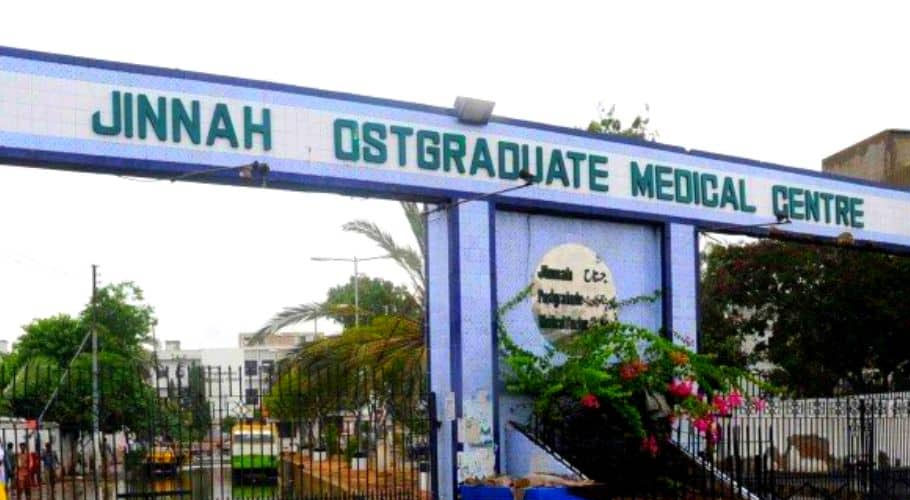
Meanwhile, fire extinguishers are available in every ward of Jinnah Postgraduate Medical Centre (JPMC), but several of them are reportedly non-functional.
Hospital sources said the last fire drill at Jinnah Hospital was conducted in 2017. The hospital also does not have a fire alarm system.
The Joint Executive Director of Jinnah Hospital said a dedicated firefighting team needs to be established. He added that there is a fire extinguisher in every ward and that the Sindh government would be approached through a letter seeking further training for hospital staff.
At Civil Hospital Karachi, around 180 fire extinguishers are reportedly available across the hospital’s wards. However, sources said the overall fire-safety arrangements are still not ideal.
The revelations come after a tragic fire at PIMS in Islamabad, where several children lost their lives. The incident has raised fresh concerns about fire safety and emergency preparedness in major public hospitals, highlighting the need for functioning alarms, regular drills and clearly marked emergency exits.