

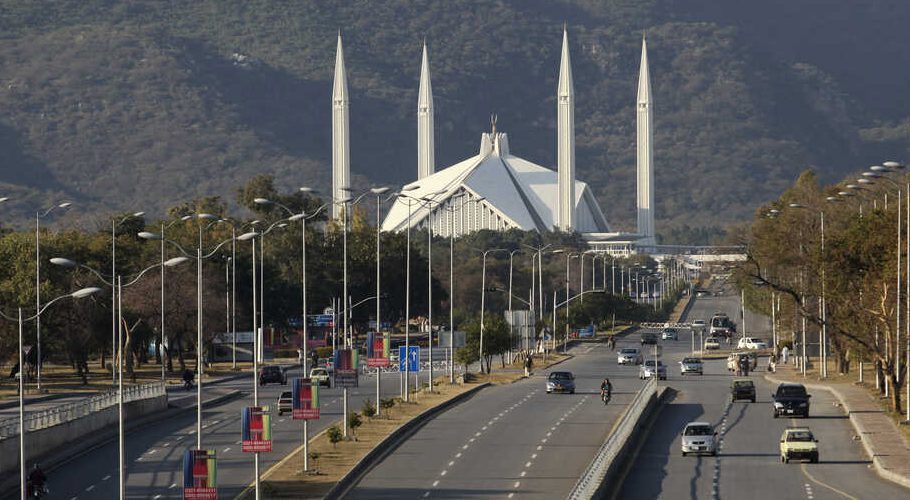
The federal government is considering a far-reaching governance reform package that could transform the administrative structure of the Islamabad, including the creation of an elected territorial government headed by a Chief Minister or Mayor.
According to a 138-page report titled ICT Governance Model, prepared by a high-level committee under Planning Minister Ahsan Iqbal, the proposed reforms seek to grant Islamabad greater administrative and financial autonomy while preserving its status as the federal capital.
The report has been submitted to Prime Minister Shehbaz Sharif for consideration.
At the heart of the proposal is the establishment of an elected Islamabad Capital Territory Government (ICTG), supported by a 27-member assembly comprising 21 directly elected members, five reserved seats for women and one seat for minorities. Under the plan, the assembly would elect its chief executive, who could be designated either as Chief Minister or Mayor, depending on the final legal framework approved by the federal government.
The proposed legislation would transfer most administrative functions to the new ICT government, while law and order, as well as master planning responsibilities, would remain under federal control due to Islamabad’s special constitutional status as the seat of government. Several functions currently handled by the Capital Development Authority and federal ministries could also be devolved to the new territorial government to reduce institutional overlap and improve service delivery.
The reform package further proposes a unified Islamabad Capital Territory Government Act, consolidating existing local government and development laws into a single legislative framework. The new system would operate under its own rules of business, departmental structure and financial authority.
Officials say the blueprint is designed to address governance challenges arising from Islamabad’s rapid growth into a metropolitan city of more than 2.4 million residents. The plan also incorporates a “Smart City” model aimed at improving transparency, digital governance and public service delivery.
If approved, the reforms would represent the most significant restructuring of Islamabad’s governance system since the creation of the federal capital and could eventually give residents direct representation through a locally elected assembly and executive leadership.