

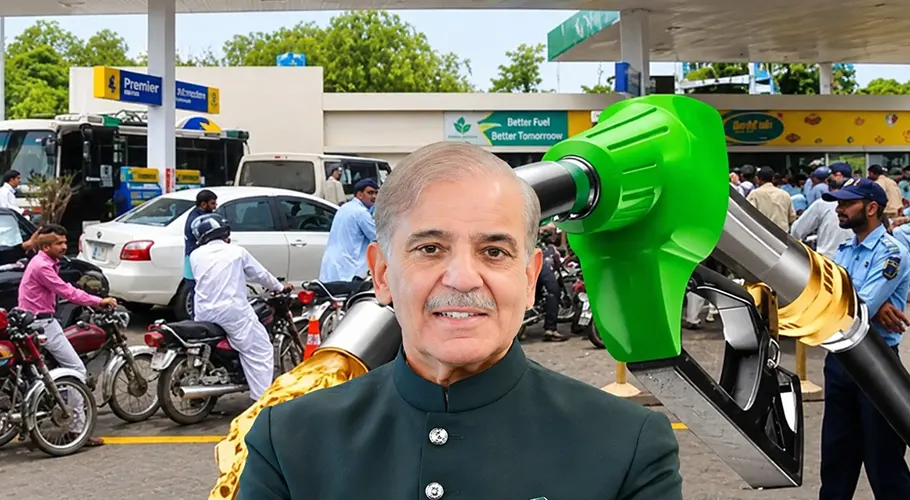
KARACHI: Pakistani consumers are keeping a close watch on upcoming petroleum price announcements after global crude oil prices fell by more than 1%, raising hopes of potential relief for people struggling with persistent inflation.
The decline in international oil prices has sparked a key question: Will the government of Prime Minister Shehbaz Sharif pass on the benefit of cheaper crude oil to consumers in Pakistan by reducing petrol and diesel prices?
Global oil prices recorded a significant decline on Monday. Brent crude futures fell by $1.59, or 1.40%, to $111.84 per barrel, while US West Texas Intermediate (WTI) crude dropped by $1.56, or 1.50%, to $102.56 per barrel.
The decline in oil prices was largely attributed to hopes of diplomatic progress following discussions between Iranian and Qatari officials. Representatives from both countries continued talks for a third consecutive day, seeking to advance efforts to end the ongoing US-Israeli war on Iran. The diplomatic engagement raised hopes of easing regional tensions and reducing concerns over potential disruptions to global oil supplies.
The development is particularly significant for Pakistan, which relies on imported oil to meet its energy requirements. A sustained decline in international crude prices could help reduce the country’s petroleum import bill. However, whether this translates into lower prices for domestic consumers will also depend on several factors, including government taxes, the petroleum levy, the rupee’s exchange rate and the mechanism used to determine local fuel prices.
Inflation has already placed considerable pressure on household budgets across Pakistan. A reduction in petrol and diesel prices could provide relief not only to motorists and motorcyclists but also potentially help ease transportation costs and the prices of essential commodities.
However, the latest decline comes after Brent crude ended October at its highest level in six months. Concerns over a possible escalation in tensions between the United States and Iran had contributed to the earlier surge in oil prices, with further uncertainty expected ahead of the US midterm elections scheduled for November 3.
Following the latest decline in international oil prices, attention has now shifted towards Pakistan’s next petroleum price review.
The key question is whether the Shehbaz Sharif-led government will pass on the benefit of lower international oil prices to the public or whether taxes and other costs will limit the relief available to consumers.
The government’s upcoming announcement on domestic petroleum prices is therefore being closely watched by consumers already struggling with rising living costs.