


In a move that has sparked controversy and reignited political undertones in cricket, the Indian cricket team avoided post-match handshakes with Pakistani players following their Asia Cup victory — prompting sharp criticism from Pakistan’s team management and raising questions about the spirit of sportsmanship between the two rivals.
Pakistan’s white-ball head coach Mike Hesson did not hold back in the post-match press conference, calling the Indian team’s behavior during and after the game “extremely disappointing.” According to Hesson, the Pakistani side was fully prepared for the traditional post-match handshakes — a customary gesture of respect and sportsmanship — but the Indian players exited the field without acknowledging their opponents.
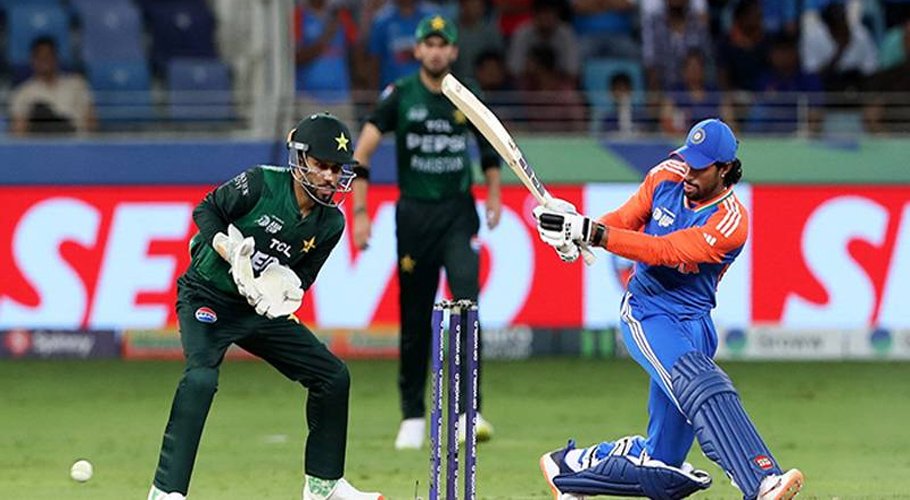
“We were ready to shake hands after the match,” Hesson told reporters. “But the Indian players just walked straight off to the dressing room. Their conduct was disappointing, and in response, we decided not to send our captain, Salman Ali Agha, to the closing ceremony.”
Sources within the Pakistan camp confirmed that a formal complaint has been filed with the ICC match referee, documenting the behavior of the Indian captain Suryakumar Yadav and other team members. The complaint details not only the post-match incident but also a pre-match moment when Yadav reportedly avoided shaking hands with his Pakistani counterpart at the toss.
Tensions became visible after India’s convincing win, where Suryakumar Yadav remained unbeaten on 47 runs and Shivam Dube contributed 10. Both players left the field without greeting any Pakistani players. Yadav, according to team officials, motioned for the rest of the Indian squad to head directly to the dressing room, leaving the Pakistani team still on the field, visibly puzzled and disappointed.
The gesture — or lack thereof — has fueled speculation and debate across cricketing circles and social media. While some see it as a moment of heated emotion in a high-stakes rivalry, others interpret it as reflective of deeper political tensions, possibly alluding to the psychological remnants of past military and political conflicts between the two nations — such as the often-referenced “Operation Baniyan Al-Marsous.”
Though the Asia Cup is meant to promote regional camaraderie through sport, moments like these threaten to overshadow the game itself. Critics warn that such behavior could set a dangerous precedent and tarnish the global image of cricket as a gentleman’s game.
As the ICC investigates the formal complaint, fans and commentators alike are left asking: was this simply the heat of the moment — or is there a deeper pain still lingering beneath the surface?