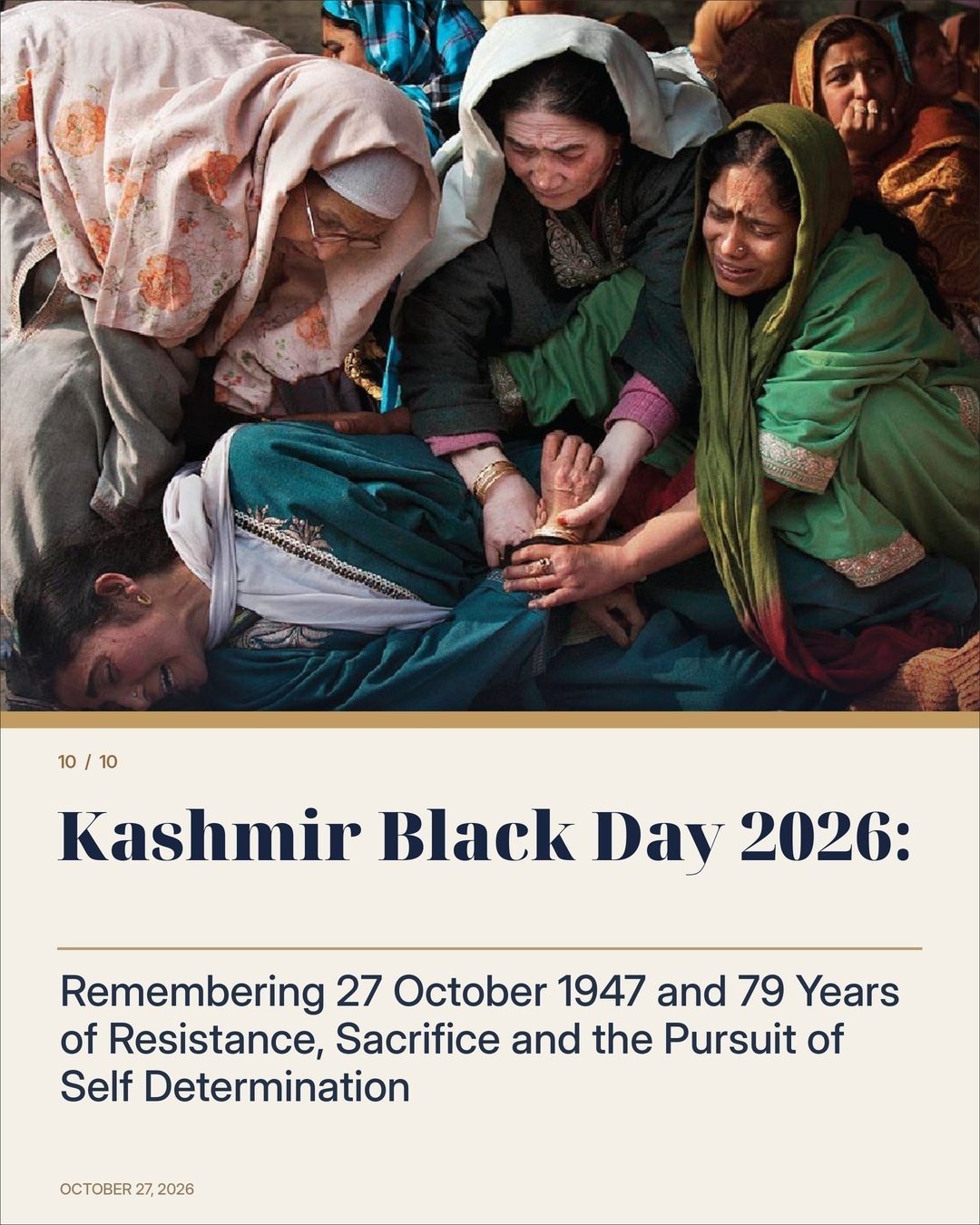

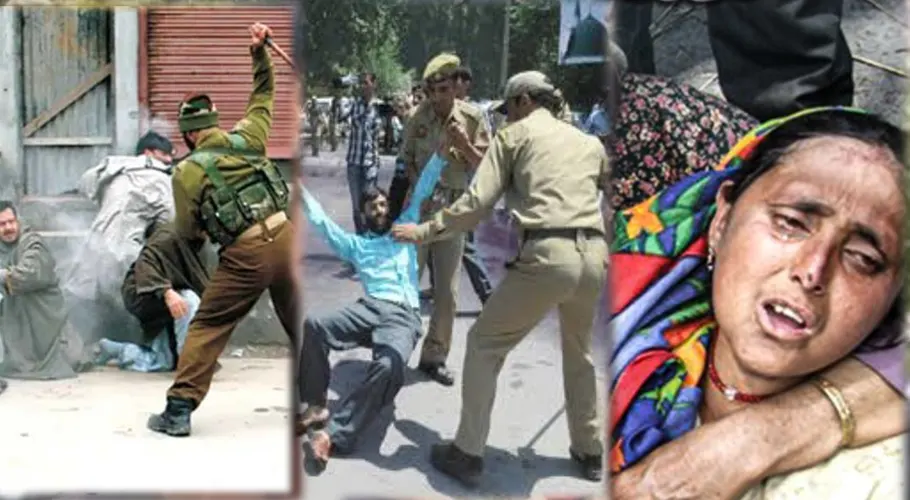
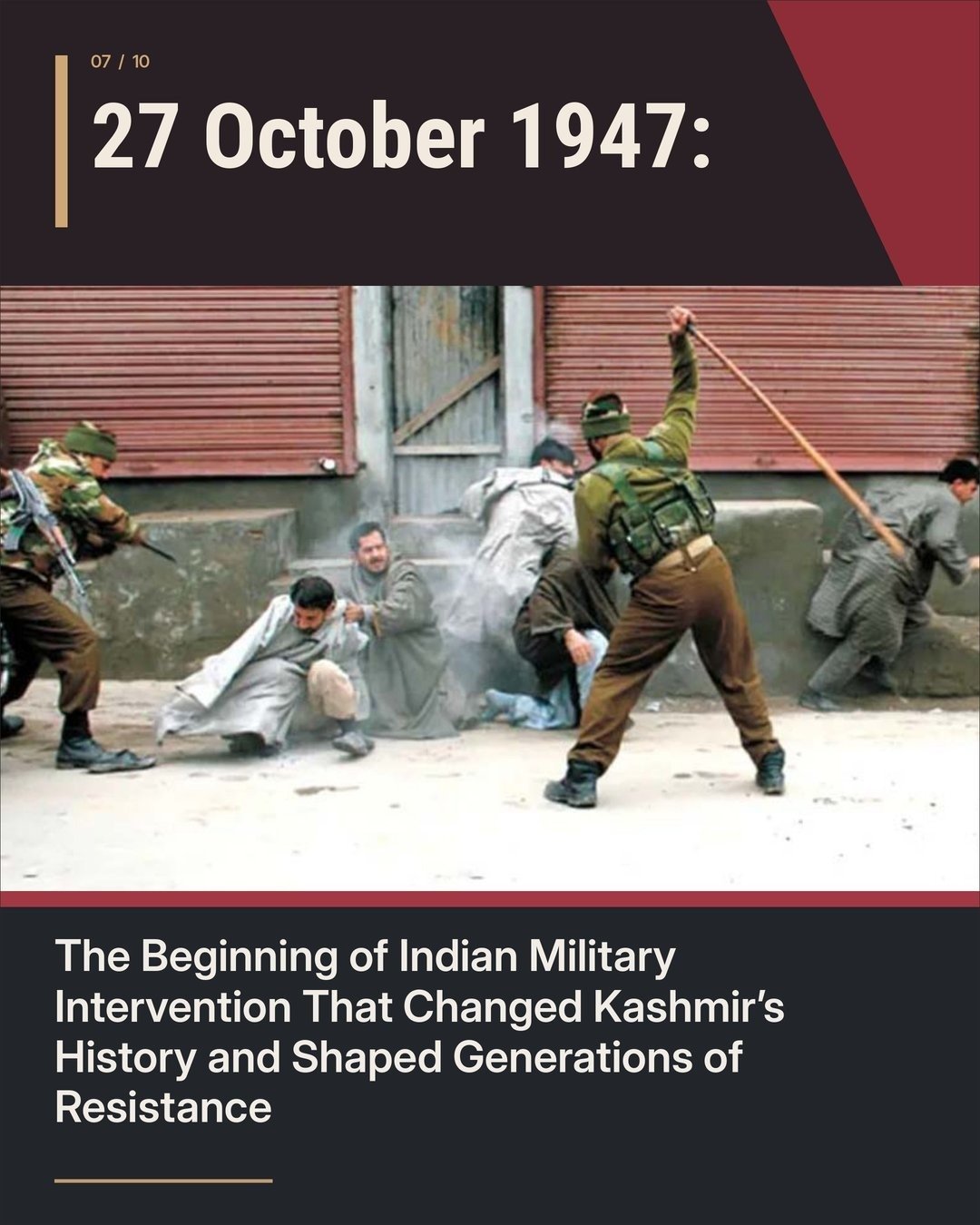
ISLAMABAD: Seventy-nine years have passed and generations have changed, yet the dispute over Indian-administered Jammu and Kashmir remains unresolved. Indian troops entered Srinagar on October 27, 1947, and since then, the region’s political status, the right to self-determination and human rights concerns have remained subjects of international attention.
The prolonged conflict has affected thousands of families, while allegations of killings, arrests, enforced disappearances and other human rights violations have continued to surface over the decades.
From 1947 to the Present, the Kashmir Question Remains Unresolved
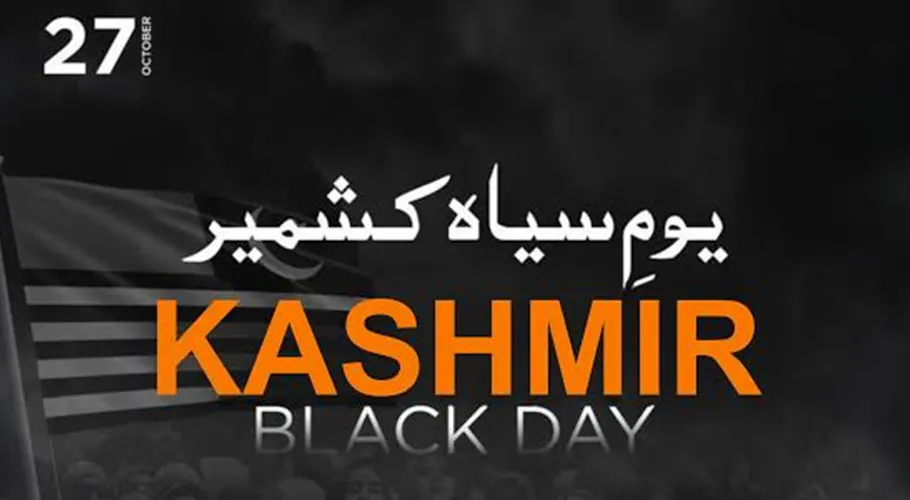
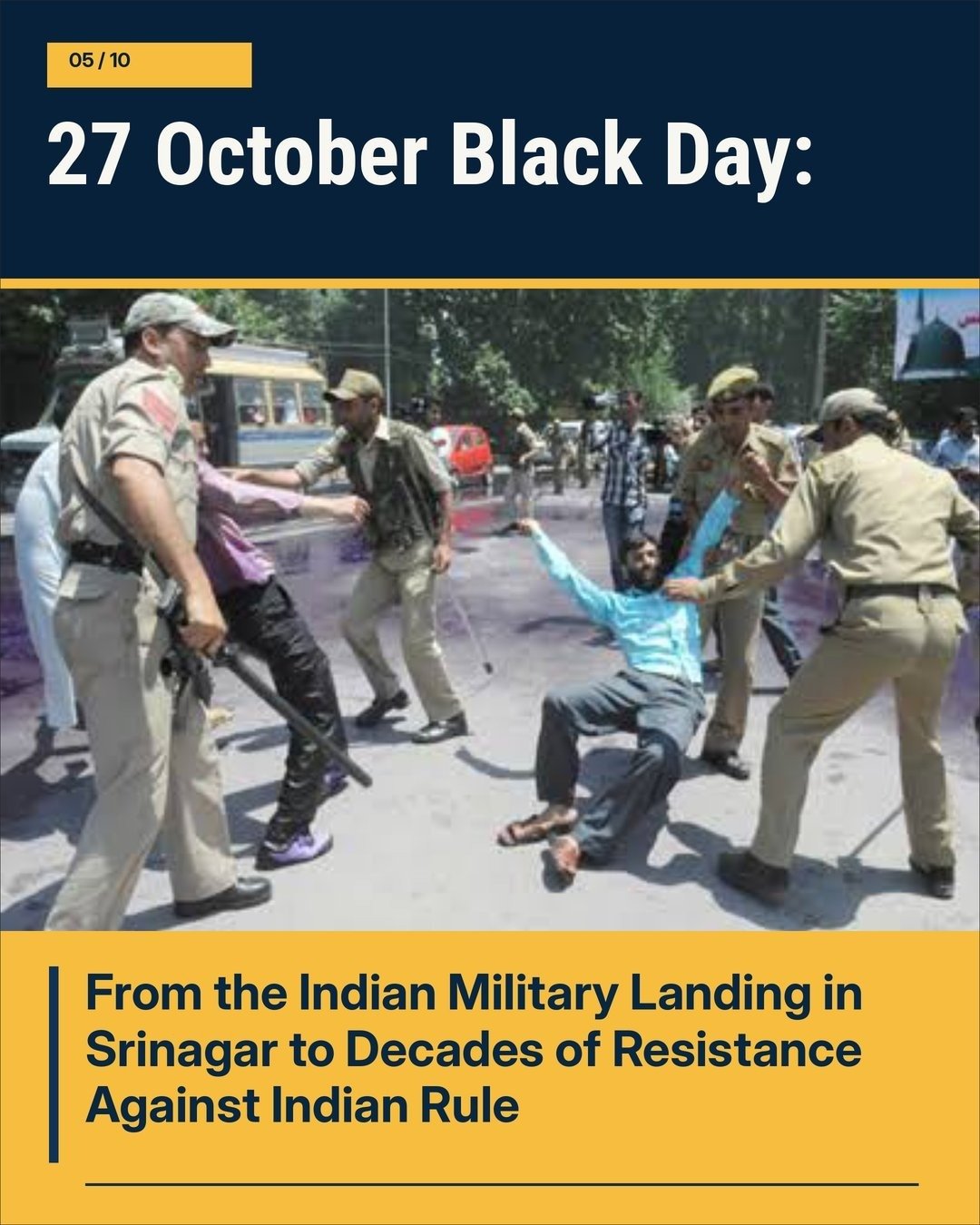
Kashmiris observe October 27 every year as Black Day. Pakistan and Kashmiri leaders mark the date to protest the entry of Indian troops and India’s control over the territory. India, meanwhile, considers Jammu and Kashmir an integral part of its territory, and disagreement over the region’s political status and future continues.
United Nations resolutions have addressed the question of Kashmir’s future, but no lasting settlement acceptable to all the parties concerned has been achieved.
Thousands of Deaths: The Human Cost of the Conflict
Different organisations have published varying estimates of deaths linked to the Kashmir conflict. According to a 2006 report by Human Rights Watch, at least 20,000 civilians had been killed in Indian-administered Jammu and Kashmir between 1989 and the time the report was compiled.
The Minority Rights Group has also reported that more than 50,000 people have been killed during the broader conflict. However, these estimates differ in scope and coverage and may include people associated with different sides of the conflict. The overall death toll should therefore not be attributed exclusively to Indian security forces.
A single, universally accepted and fully verified figure covering all deaths from 1947 to the present is not available.
Human Rights Allegations and Calls for Accountability
Various human rights organisations have raised concerns about alleged unlawful detentions, torture, enforced disappearances and the protection of civilians in Indian-administered Kashmir. Calls for transparent investigations and accountability for those responsible have also continued.
The nature and scale of these allegations vary from case to case. Establishing the facts, determining the number of victims and identifying responsibility require reliable documentation and independent investigations.
Families of Missing Persons Face Years of Uncertainty
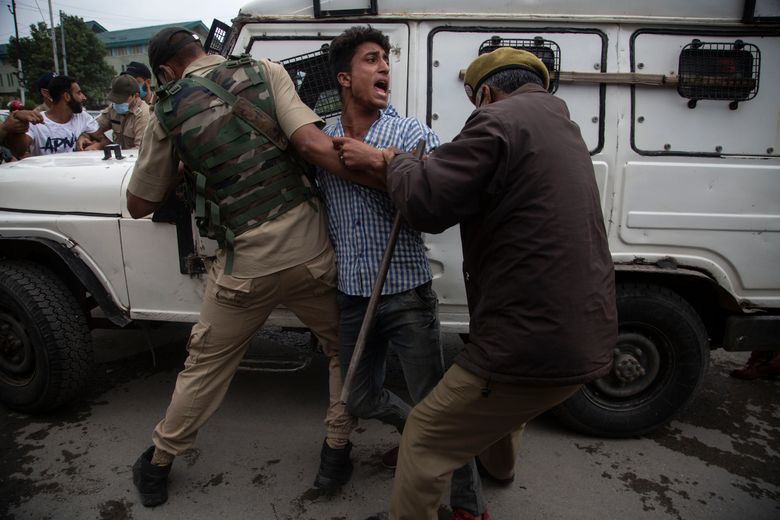
One of the most painful aspects of the Kashmir conflict is the plight of families seeking information about missing relatives. These cases have had profound effects on affected families, many of whom have continued to demand transparent investigations and the disclosure of facts.
Accurate records, credible evidence and independent investigations are essential to helping families learn the fate of their loved ones and establish accountability where wrongdoing is proven.

Arrests, Restrictions and the Impact on Daily Life
Over the course of the conflict, security restrictions, arrests and concerns about civil liberties have repeatedly drawn attention in Indian-administered Kashmir. Such conditions can affect education, businesses, freedom of movement and everyday life.
A central human rights concern is how to protect civilians, uphold their legal rights and ensure access to essential services, while providing effective legal remedies when violations are alleged.

Protests Worldwide Renew Calls for Self-Determination
On Black Day, Kashmiri communities in Pakistan, Azad Jammu and Kashmir and other parts of the world organise gatherings, rallies and protests to draw international attention to the dispute. Participants call for a resolution in accordance with relevant United Nations resolutions and recognition of the Kashmiri people’s right to self-determination.
Pakistan’s leadership has also continued to raise the Kashmir issue at international forums and express support for a peaceful settlement.
Seventy-Nine Years On, When Will a Lasting Solution Emerge?
For decades, the Kashmir dispute has remained one of South Asia’s most significant political and humanitarian challenges. Negotiations and diplomatic efforts have taken place at various times, but a lasting settlement acceptable to the parties concerned has yet to emerge.
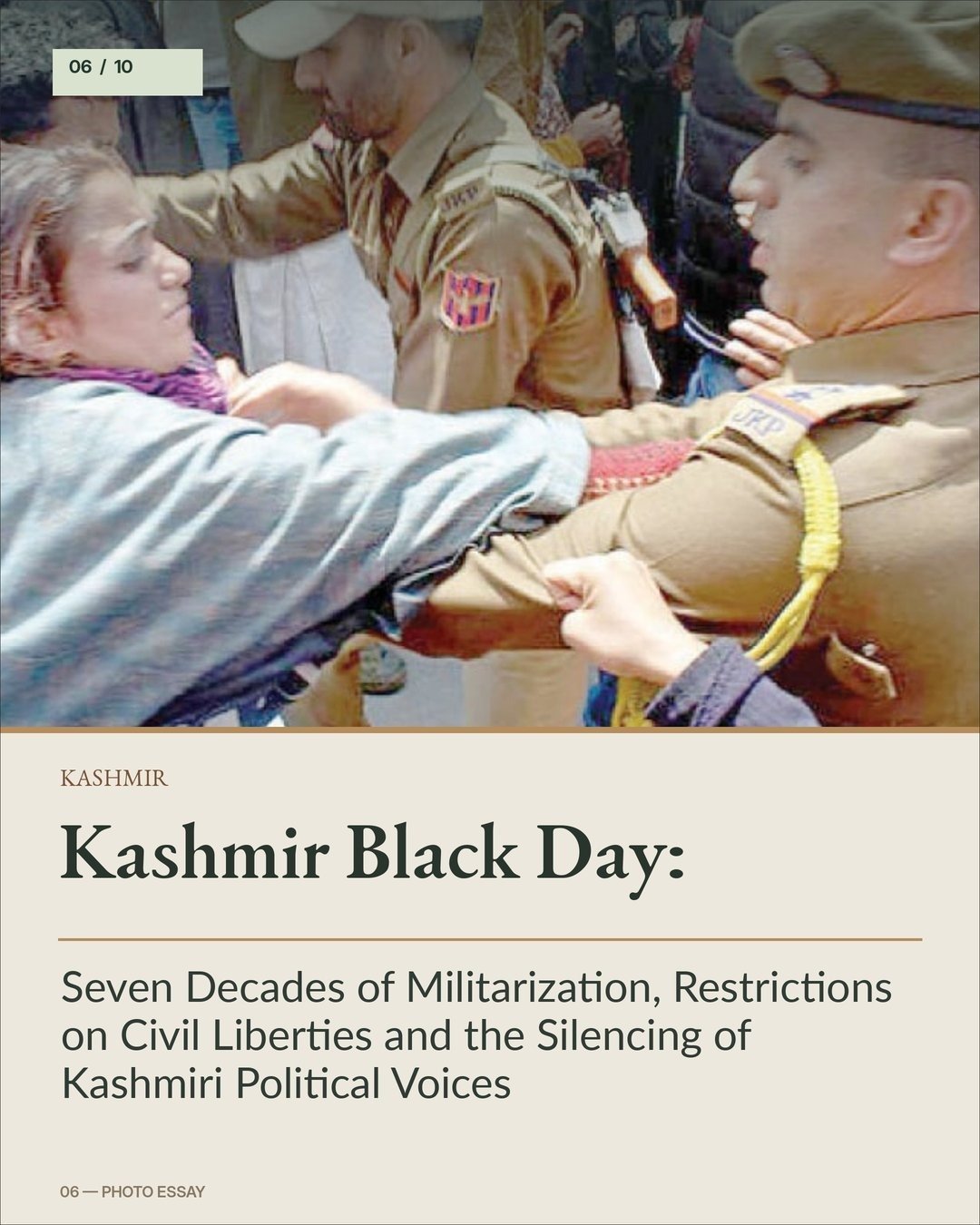
A peaceful resolution, protection of civilians’ fundamental rights, investigations into alleged human rights violations and justice for affected families remain important priorities.
Seventy-nine years after Indian troops entered Srinagar, a fundamental question remains: can the parties concerned find a peaceful and mutually acceptable path that reduces regional tensions, safeguards the rights of civilians and provides a lasting resolution to the dispute over Kashmir’s future?