
The number of applicants for the Prime Minister’s Apna Ghar Housing Scheme has increased by 52 percent.
A meeting of the Access to Finance Steering Committee, chaired by Finance Minister Muhammad Aurangzeb, was held, and an official statement was issued following the meeting.
According to the statement, applications under the Prime Minister’s Apna Ghar Programme have increased by 52 percent since June, reaching 139,000 applications.
The number of loans disbursed under the Apna Ghar Programme has also increased by 59 percent, while financing approved under the Zarfeez/Zarkhez scheme has exceeded Rs7.2 billion.
The Finance Minister directed officials to present the obstacles hindering financing to the Steering Committee, along with clear recommendations for addressing them.
What is Apna Ghar Programme?
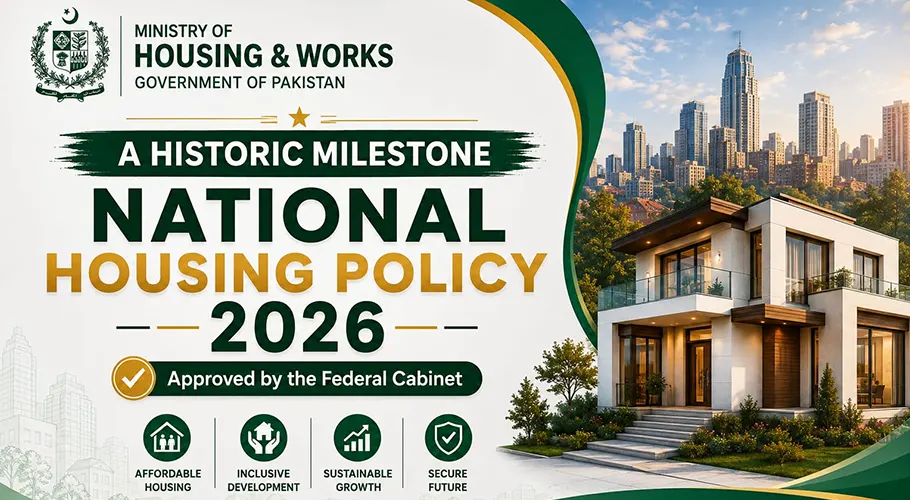
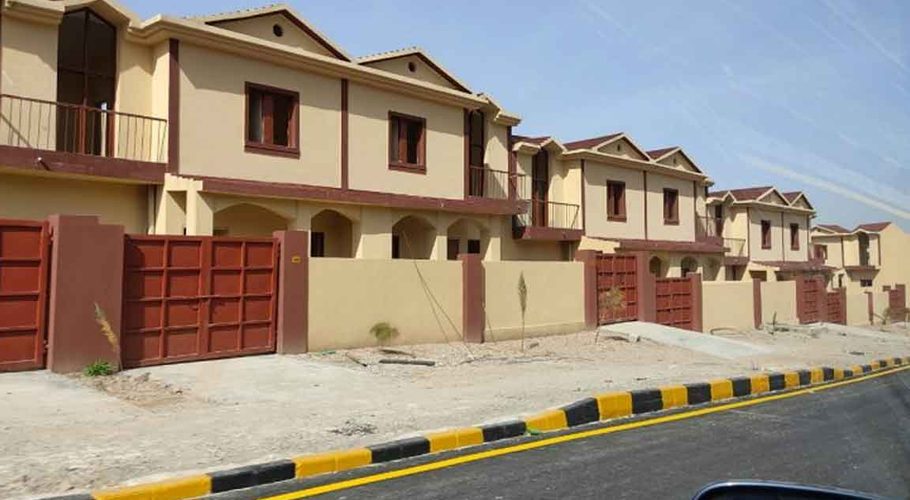
The PM-AGP is a government-backed initiative that provides affordable, long-term financing to the citizens who do not currently own a house. By extending subsidised loans through financial institutions, the scheme targets first-time homebuyers across the country, including non-resident Pakistanis.
The programme also seeks to stimulate allied industries in the housing sector, generating widespread employment opportunities.
Who is eligible?
The scheme has been designed with flexible eligibility criteria to accommodate various income groups, including individuals working in the informal economy:
It’s open to all Pakistani citizens holding a valid CNIC and Non-Resident Pakistanis (NRPs) holding a NICOP or POC up to 65 years of age can also apply.
Applicants must not already own a residential unit in their name.
No profession is barred. Lawyers, journalists, judges, police, and armed forces personnel are all eligible.
Individuals both with and without formal pay slips qualify. Applicants in the informal sector can provide alternative proof of income, such as bank statements, utility bills, and mobile top-up records.
Joint applications are also accepted as up to four individuals can pool their incomes in a joint application to meet loan repayment conditions.
Monthly loan installments are capped at a maximum of 65% of the applicant’s total income.
Key loan features, markup, subsidies
The government has allocated Rs71 billion in subsidies under the FY27 budget to keep markup rates low and absorb risk for participating lenders.
Maximum financing can be done up to Rs10 million through commercial and Islamic banks, and up to Rs5 million through microfinance companies.
A fixed, subsidized markup rate of 5% applies for the first 10 years. Market-based rates will apply for the remaining tenure. Repayment periods stretch up to 20 years max.
Applicants contribute at least 10% of the upfront cost or down payment, while financial institutions cover the remaining 90%.
No processing charges or prepayment penalties apply if a borrower settles the loan early.
Risk guarantee: The federal government offers 10% first-loss coverage to banks on the outstanding loan portfolio to encourage lending.
Where to apply and required support
Applications can be submitted online via a dedicated portal or physically through commercial banks, Islamic banks, microfinance banks, the House Building Finance Company Limited (HBFCL), and eligible non-bank financial companies (NBFCs).
The State Bank of Pakistan (SBP) has mandated that participating financing institutions decide on complete credit applications within 15 working days.
Provincial governments have been directed to set up facilitation desks at the district level to help applicants secure required land ownership records. Meanwhile, the Ministry of Housing and the SBP are working to simplify the loan application forms.