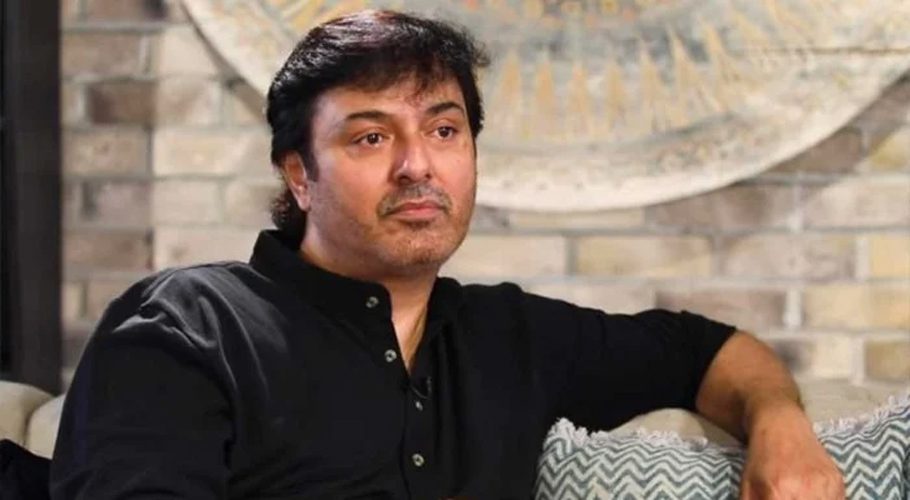


KARACHI: Renowned actor and television host Faysal Quraishi has asserted that Pakistani dramas have grown into a global phenomenon, directly rivaling big-budget Netflix series despite operating on a fraction of their budgets.
Speaking during a recent podcast appearance, the veteran actor reflected on the international reach and popularity of the Pakistani entertainment industry, highlighting how locally produced dramas—broadcast free to viewers on digital platforms—are holding their own against multimillion-dollar streaming productions.
Quraishi drew a sharp contrast between the production costs of regional OTT content and traditional Pakistani television. According to the actor, a top-tier Pakistani drama series is typically produced on a maximum budget of around Rs 200 million In contrast, Indian series produced for platforms like Netflix often command budgets exceeding Rs 400 million.
“Despite these massive budget disparities, the YouTube views our dramas pull in are extraordinary,” Quraishi noted. “In many instances, the view count for a single episode of a hit Pakistani drama exceeds the total viewership of an entire successful Netflix series.”
Addressing the caliber of home-grown talent, Quraishi emphasized that Pakistani actors and creators are second to none globally.
When asked why Pakistani content isn’t as widely featured on global streaming platforms in neighboring markets, Quraishi pointed to protectionist media policies rather than a lack of quality. He stated that India prioritizes its own local industry, content, and narrative, preventing Pakistani dramas from securing regular broadcast slots on regional streaming hubs.
“If our dramas weren’t competitive on a global scale, there wouldn’t be a need to restrict them,” he added.
To illustrate how deeply entrenched Pakistani dramas have become in daily life, Quraishi shared a personal anecdote from a recent trip to the cinema, where he noticed the person sitting next to him watching a Pakistani drama episode on their phone during the movie. He added that colleagues have reported similar encounters, pointing to a massive shift toward mobile viewership worldwide.
For Quraishi, these trends are undeniable proof that Pakistan’s storytelling and talent have successfully carved out a permanent place on the international stage.