
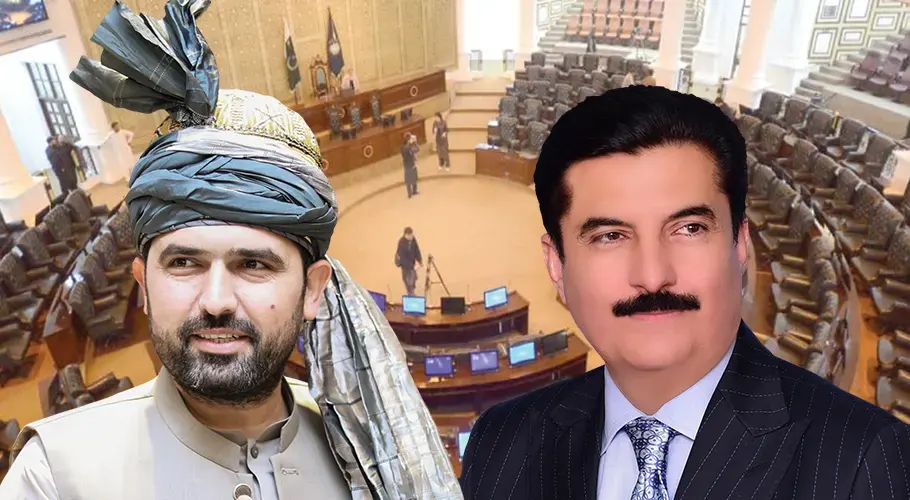
ISLAMABAD: The federal cabinet, chaired by Prime Minister Shehbaz Sharif, has approved a proposal to impose an emergency in Khyber Pakhtunkhwa under Articles 232 and 234 of the Constitution and introduce governor’s rule, according to the information provided.
An official statement said the meeting was briefed in detail on the deteriorating law and order situation in the province and the growing number of terrorist incidents.
Cabinet members expressed serious concern over what they described as the provincial government’s alleged deliberate disengagement from the national campaign against terrorism. In view of the security situation, the cabinet recommended that the prime minister move forward with the proposed constitutional measures.
Summary Sent to President, Dar Contacts Maulana Fazlur Rehman
According to sources, the Prime Minister’s Office has sent formal advice to the president regarding the proposed emergency. Interior Minister Mohsin Naqvi and political leader Talal Chaudhry reportedly arrived at the Presidency with the summary.
The proposal is awaiting the president’s approval and signature. If approved, the proposed measures would take effect in accordance with the applicable constitutional process, potentially transferring executive authority in the province to Khyber Pakhtunkhwa Governor Faisal Karim Kundi.
Sources familiar with the cabinet meeting also said some members suggested making one final political effort before reaching a final decision on the province. Following this suggestion, Deputy Prime Minister Ishaq Dar contacted Jamiat Ulema-e-Islam (JUI-F) chief Maulana Fazlur Rehman by telephone during the meeting.
Proposal to Place 12 Sensitive Districts Under Federal Control
The meeting also considered a separate administrative arrangement for 12 districts of Khyber Pakhtunkhwa facing serious security challenges, alongside the proposed province-wide emergency.
Under the proposal, the eight districts of the former Federally Administered Tribal Areas (FATA), along with Bannu, Lakki Marwat, Karak and Kohat, would be placed under direct federal control.
The proposal also called for a separate secretariat, a dedicated administrator and specific funding arrangements for these districts.
The final status of the proposed measures will depend on the relevant constitutional process and formal decisions by the competent authorities.