
ISLAMABAD: The Federal Government of Pakistan is reported to have finalized a transformative roadmap for the automotive sector under the upcoming Auto Policy 2026–31 in what appears to be a strategic pivot toward a sustainable green economy.
This landmark framework seeks to dismantle decades of protectionism while offering unprecedented incentives for New Energy Vehicles to combat the country’s chronic energy and environmental challenges.
Media reports suggest in order to accelerate the adoption of clean energy, the government has announced that New Energy Vehicles—a category encompassing full battery-electric vehicles, plug-in hybrids, and fuel cell vehicles—will be granted complete toll exemptions on all motorways and national highways. This move is designed to make travel more affordable for eco-conscious commuters and provides a tangible incentive for the shift away from fossil-fuel-dependent engines.
Industry analysts view this as a vital step in reducing the national carbon footprint and lowering the staggering oil import bill that has long strained the national exchequer.
Beyond green incentives, the policy signals a major restructuring of Pakistan’s industrial landscape. The government is moving to phase out the high-tariff walls that have shielded local assemblers from global competition for years.
According to the plan, Additional Customs Duties will be entirely abolished by the 2029 fiscal year, while Regulatory Duties will be slashed by 80 percent by the following year. Furthermore, the complex web of SRO-based concessions that historically shaped the sector is set to be abolished by 2030 in favor of a more transparent and uniform regime.
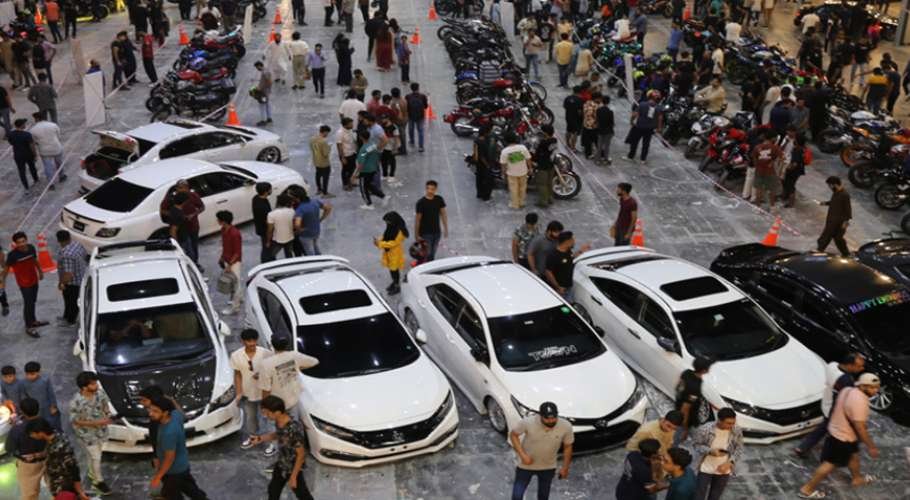
The new framework also outlines a gradual but significant reduction in the cost of both imported and locally assembled vehicles.
Duties on Completely Built Unit vehicles, which currently range between 50 and 100 percent, will be brought down to a range of 35 to 75 percent over the next five years. Similarly, tariffs for Completely Knocked Down units used in the local assembly of cars, SUVs, and minivans will decline from 30 percent to 20 percent. These reforms aim to bring the weighted average applied tariff to below 6 percent by 2030.
While the government is opening the market to more competition, it remains committed to domestic industrial growth. The framework explicitly links New Energy Vehicle incentives to localization requirements. This strategy ensures that manufacturers must produce a significant portion of vehicle components within Pakistan to qualify for benefits, aiming to transition the country from a simple assembly hub to a genuine manufacturing center.