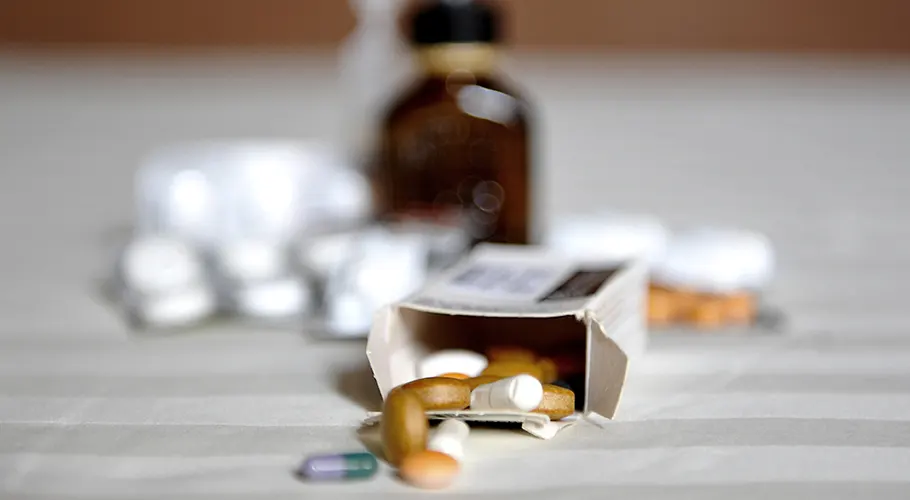


ISLAMABAD: A shortage of more than 100 essential medicines used to treat cancer, heart disease, diabetes and other life-threatening illnesses has created serious difficulties for patients and their families across Pakistan, with industry representatives attributing the crisis to delays in government approval of revised drug prices.
The shortage stems from the federal cabinet’s failure to take a final decision on drug price revision recommendations submitted by the Drug Regulatory Authority of Pakistan (Drap) nearly two years ago, according to stakeholders.
Speaking during a private television programme, Pakistan Chemists and Druggists Association Chairman Abdul Samad Budhani said Drap had approved recommendations for revising the prices of 105 essential medicines almost two years ago, but the proposals are still awaiting the federal cabinet’s approval, affecting the availability of these medicines.
Pharmaceutical manufacturers say rising production costs have forced many companies to reduce or halt the production of several essential medicines, while the shortage has also heightened the risk of smuggled and counterfeit drugs entering the market.
He said pharmaceutical companies had argued that soaring costs of raw materials, energy, packaging and transportation, coupled with the depreciation of the rupee, had made it financially unviable to manufacture many medicines at the current government-approved prices. As a result, several manufacturers have either reduced production or stopped manufacturing them altogether.
Budhani said the shortage includes chemotherapy medicines for cancer patients, insulin, drugs used to treat heart attacks, severe pain medications, paediatric medicines, ophthalmic drugs, vaccines and other life-saving medicines.
He added that Drap’s pricing committee had already approved revised prices for around 100 essential medicines as well as 45 medicines containing new chemical entities, but the decisions remain pending before the federal cabinet. He urged the government to either approve or reject the recommendations without further delay to end the prevailing uncertainty.
Budhani warned that delays in approving newer and more effective cancer medicines were forcing many patients to purchase smuggled drugs, increasing the risk of counterfeit and substandard medicines circulating in the market. He noted that authorities had recently seized smuggled cancer medicines during an operation in Karachi.
According to Budhani, Federal Health Minister Mustafa Kamal has assured stakeholders that the government is introducing a QR code-based verification system to curb the sale of counterfeit medicines. The system will enable patients to verify the authenticity and official price of medicines before purchasing them.
However, he said the issue of drug pricing and approvals is currently under review by a special cabinet committee comprising several federal ministers.
Budhani called on the government to address the shortage of life-saving medicines on an emergency basis to ensure timely treatment for patients across the country.