

Kashmiris on both sides of the Line of Control and the world over observed the Right to Self-Determination Day with the pledge to continue the struggle for settlement of the Kashmir dispute through a free and fair plebiscite under the auspices of the United Nations.
What is Kashmir Dispute?
Pakistan became an independent country on 14th August, 1947 as the Muslim counterweight to India. The Muslim-majority state of Kashmir to the north of both countries was not merged with Pakistan,
In 1948 India sent troops to annex the region and show solidarity with the Hindu ruler. This provoked war with Pakistan which sent troops and Pashtun tribesmen to the region. This created a dispute as the region was divided with India dominating two-thirds of the region and Pakistan one third.
A United Nations commission called for the withdrawal troops in August 1948. The UN brokered a cease-fire in 1949, and a five-member drew up a resolution calling for a referendum to decide Kashmir’s future.
What is Right to Self-Determination Day?
It was on this day on 5th January, 1949 when the United Nations Security Council passed a resolution supporting the Kashmiris’ right to decide their future by themselves through UN-sponsored plebiscite.
The United Nations Commission for India and Pakistan received communication from the governments of countries to accept a resolution stating:
-The question of the accession of the State of Jammu and Kashmir to India or Pakistan will be decided through the democratic method of a free and impartial plebiscite.
-A plebiscite will be held when it shall be found by the Commission that the cease-fire and truce arrangements have been carried out and arrangements for the plebiscite have been completed.
-The UN Secretary-General will nominate a Plebiscite Administrator who shall be a personality of high international standing and commanding general confidence.
-The Plebiscite Administrator shall derive from the State of Jammu and Kashmir the powers he considers necessary for organising and conducting the plebiscite and for ensuring the freedom and impartiality of the plebiscite.
-At the conclusion of the plebiscite, the Plebiscite Administrator shall report the result to the Commission and to the Government of Jammu and Kashmir. The Commission shall then certify to the Security Council whether the plebiscite has or has not been free and impartial.
The resolution has not been implemented by India to date.

How was the day marked?
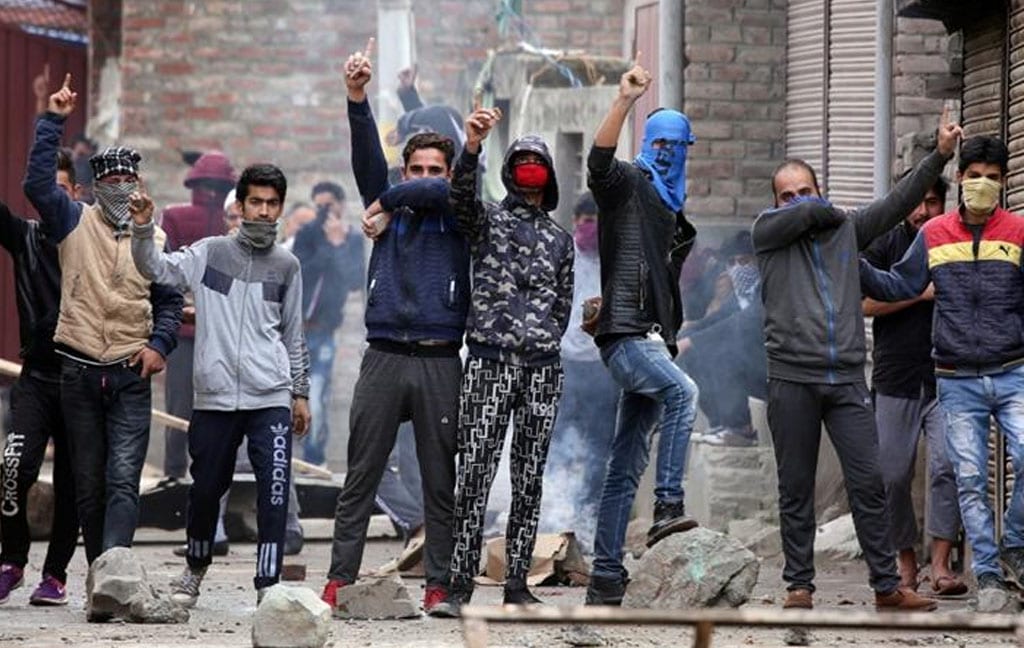
The day was marked by various activities including rallies, seminars and conferences in Azad Jammu and Kashmir, Pakistan and across the world to remind the UN to save the Kashmiris from the Indian brutalities by implementing its resolutions on Kashmir.
The All Parties Hurriyat Conference in a statement issued in Srinagar said that the resolutions passed by the UN Security Council on Jammu and Kashmir legitimise the struggle of the Kashmiri people to achieve their right to self-determination.
The statement said that these resolutions are testimony to the fact that the Indian occupation of Jammu and Kashmir was unjustified, illegal and against all norms and standards of the international law.
The APHC appealed to the international community particularly the UN to hold an impartial plebiscite in Jammu and Kashmir so that the Kashmiris can decide their future themselves. They also condemned the continued lockdown of the territory by the Indian government.

The forum led by Mirwaiz Umar Farooq said that the people of occupied Kashmir had been deprived of all basic rights at gunpoint. It appealed to the world to prevent India from pursuing the policy of suppression in the territory. The forum made it clear that the Kashmiri people as well as the leadership cannot be forced to change their principled stand on Kashmir through nefarious tactics.
Hurriyat leaders including Abdul Majeed Malik, Abdul Majid Mir, Aijaz Rehmani and Advocate Pervez Ahmad Shah in their addresses and statements denounced the continued military siege of occupied Kashmir by India.
Meanwhile, the residents of the Kashmir Valley and Muslim areas of Jammu region continued to face hardships on the 154th consecutive day due to the military siege and lockdown imposed by the Indian authorities. The harsh winter and the closure of Srinagar-Jammu high have added to the miseries of the besieged people.
ADVERTISEMENT