

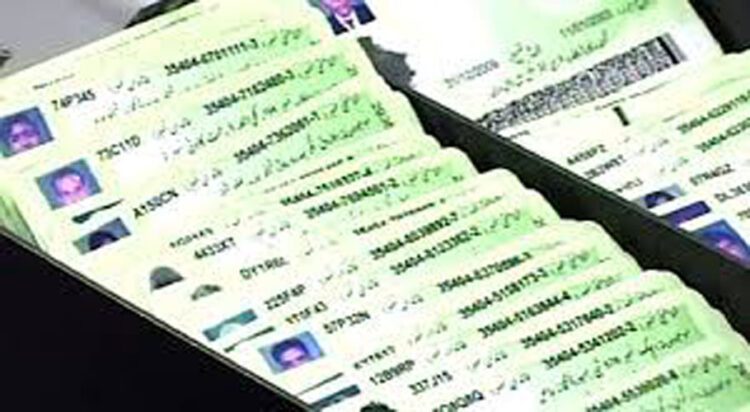
A loan agent, property dealer, hotel employee or representative of a financial or other service provider may ask for your national identity card (CNIC), bank statement or other sensitive documents via WhatsApp to verify your identity.
While such a request may appear routine, sending these documents without proper verification can result in your personal and financial information being stored on another person’s phone, laptop or cloud backup.
Once a document has been sent, you lose control over where copies are stored and how long they remain there. In today’s digital age, personal information has become a valuable asset, with organisations and individuals routinely collecting vast amounts of data.
The key concern is therefore not merely the collection of information, but ensuring its secure use, restricted access and proper protection. Weak data security can put citizens’ personal and financial information at risk.
Loss of control over data
The biggest risk of sending sensitive documents through WhatsApp is not necessarily that every recipient will misuse the information. The greater concern is what happens to those documents after they have been shared.
Once your CNIC or bank statement is downloaded, it may be stored on someone’s personal device and could automatically be backed up to a cloud account. Even if the recipient is completely trustworthy, your documents could remain there for years. If that device or account is later hacked or compromised, information that you shared only once could potentially be exposed.
Identity theft and financial fraud
When sensitive documents are collected through personal phone numbers rather than an organisation’s official and secure systems, the information moves outside the organisation’s formal cybersecurity infrastructure.
This can result in multiple copies of the same document being created. If such information falls into the wrong hands, it may be used for unwanted calls and messages and, in more serious cases, could contribute to financial fraud or identity theft.
Safer and more modern verification methods
Protecting sensitive information does not necessarily mean refusing to share documents altogether. Banks, businesses and hotels may have legitimate reasons to verify a customer’s identity.
However, a safer approach is to improve the way such information is collected. Organisations should ideally use secure digital forms on their official websites or government-backed verification systems, rather than requesting copies of sensitive documents through WhatsApp.
Key safety measures for consumers
The next time someone asks you to send your CNIC, bank statement or another sensitive document through WhatsApp, pause and verify the request first.
Ask the organisation for its official website or secure document-upload portal. If sending a file through WhatsApp is genuinely unavoidable, consider protecting the document with a password and sharing the password separately.
Your CNIC and bank statement are not ordinary files. They form an important part of your personal and financial identity. Once such documents leave your device, regaining control over them can be extremely difficult.