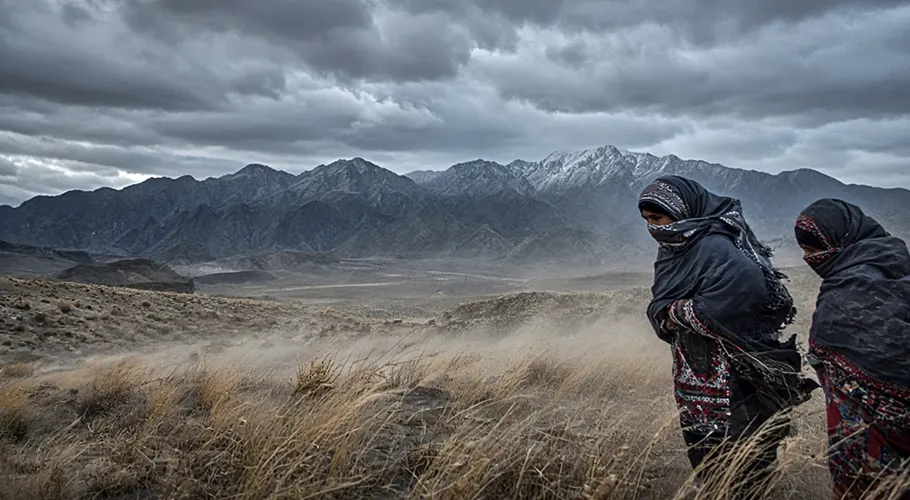


GILGIT: Several parts of Gilgit-Baltistan remained cut off from the rest of the country for a fourth consecutive day as glacial floods and flash floods triggered by accelerated glacier melting continued to disrupt transportation, isolate remote valleys and hamper relief operations, officials said.
The prolonged disruption has left thousands of local residents and tourists stranded at various locations after floodwaters damaged key highways, bridges and communication links, severing access to several parts of the mountainous region.
According to local authorities, glacial lake outburst floods (GLOFs) and flash floods have extensively damaged road infrastructure, making it difficult to restore connectivity and deliver essential supplies to affected communities. The disruption has complicated the transportation of food, medicines and other basic necessities to isolated areas.
Heavy machinery has been deployed to clear debris and repair damaged roads, but restoration work has been slowed by continuous landslides, unstable terrain and adverse weather conditions. Officials said access to several affected locations remains impossible, delaying both rehabilitation efforts and the movement of emergency responders.
The situation comes as Pakistan continues to experience an active monsoon season, with heavy rainfall affecting multiple provinces and disaster management authorities monitoring rising river levels and localized flooding in several districts.
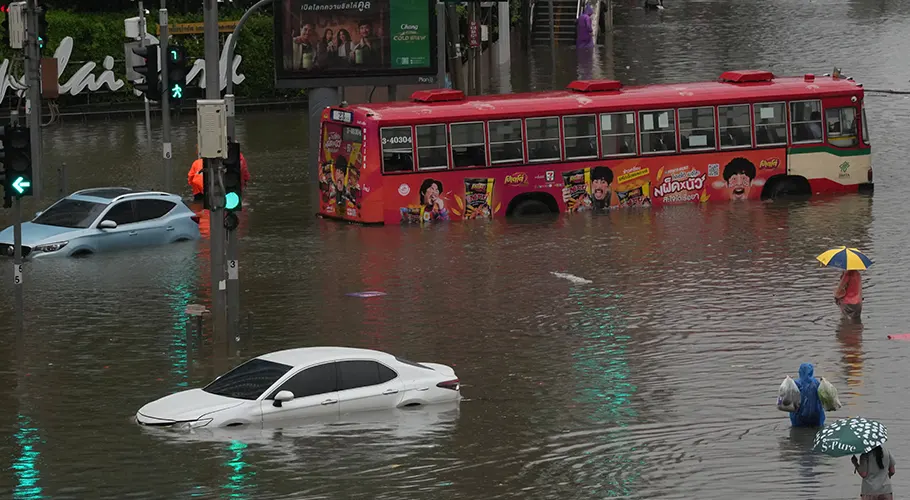
While Punjab and Sindh are grappling with riverine flooding and urban inundation, the mountainous north is facing a different but equally serious threat from rapidly melting glaciers and glacial lake outburst floods.
Experts say the recent spell of unusually high temperatures accelerated glacier melt, increasing water discharge into rivers and triggering GLOFs in vulnerable valleys.
They have warned that climate change is likely to increase both the frequency and intensity of such events in Gilgit-Baltistan and other high-altitude regions, posing growing risks to communities, infrastructure and tourism.
Authorities have urged travelers to avoid unnecessary journeys to affected areas until road networks are restored and weather conditions improve. Rescue teams and district administrations remain engaged in relief and rehabilitation efforts, while work continues to reopen major routes and re-establish access to stranded communities.