

About a week into Donald Trump’s second term as president, the U.S. military abruptly instructed three cargo airlines operating out of Dover Air Force Base in Delaware and a U.S. base in the UAE to cancel 11 flights carrying artillery and other weapons destined for Ukraine.
According to a report by Reuters, the unexpected move triggered immediate concern in Washington, with urgent inquiries pouring in from Ukrainian officials in Kyiv and logistics personnel in Poland, where the shipments were coordinated.
The key question: who had authorized the U.S. Transportation Command (TRANSCOM) to halt the deliveries? Was it a full suspension of military aid, or something more limited? Top officials at the White House, Pentagon, and State Department were caught off guard and couldn’t immediately explain the decision. Within a week, however, the flights resumed.
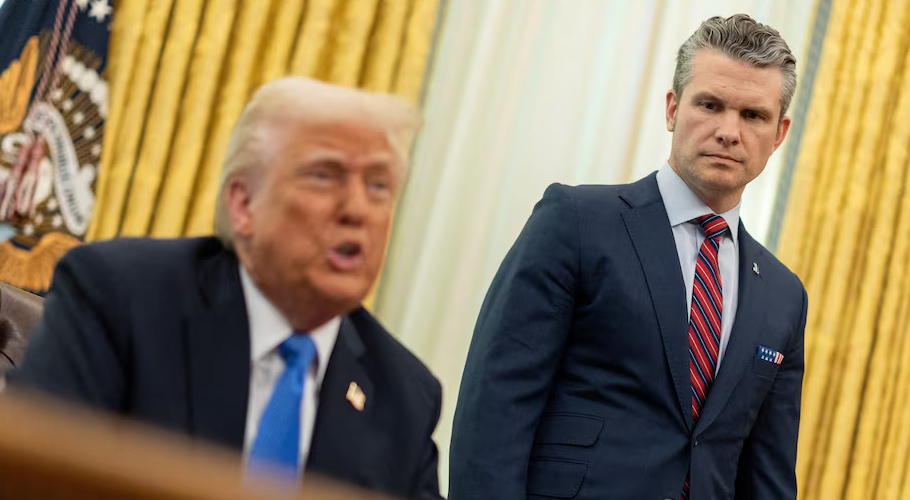
The TRANSCOM documents reviewed by Reuters reveal that the verbal directive came from the office of Defense Secretary Pete Hegseth. The order followed a January 30 Oval Office meeting on Ukraine, attended by Hegseth and other senior national security figures. While aid to Ukraine was reportedly discussed, sources say Trump gave no instruction to stop shipments.
Multiple sources familiar with the situation confirmed that Trump was unaware of Hegseth’s decision, as were other key national security officials who had been present at the meeting.
In response to questions from Reuters, the White House stated that Hegseth had acted on a Trump directive to temporarily pause aid to Ukraine, a position it said reflected the administration’s stance at the time. However, it did not clarify why senior officials in the usual decision-making chain were left out or why the order was quickly reversed.