

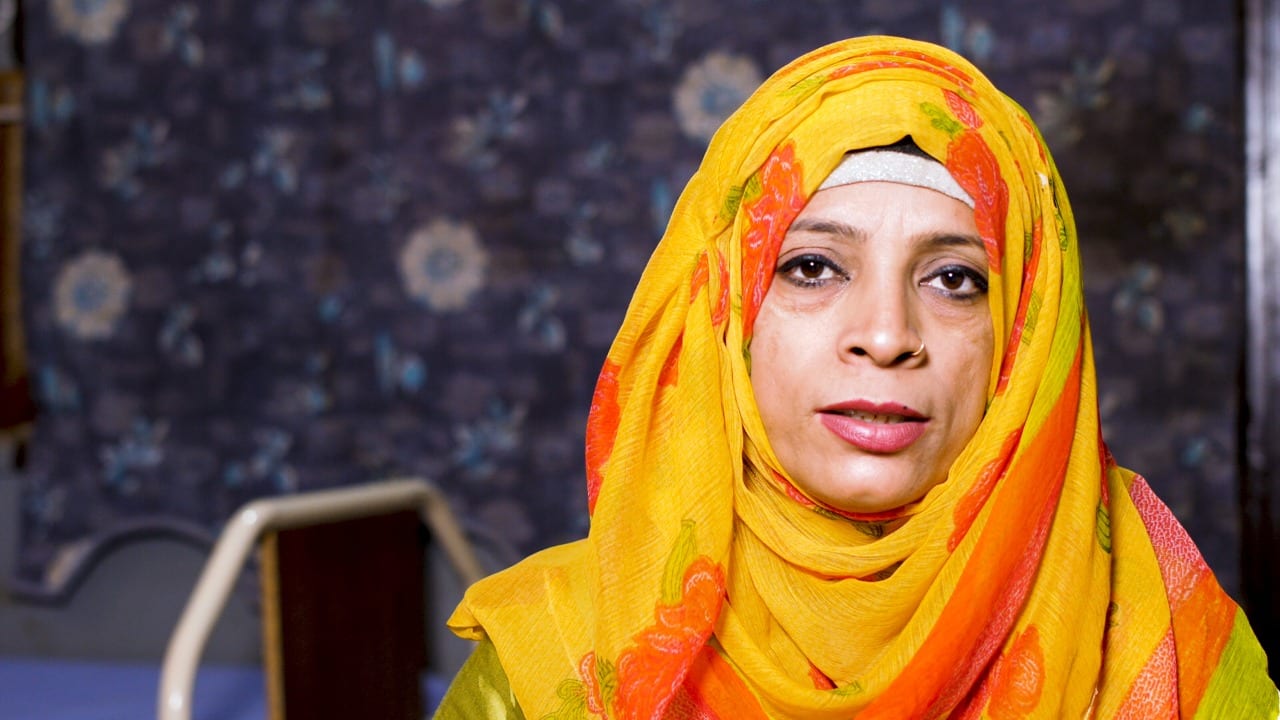
The first thing that I noticed was Rubina’s bright yellow scarf. Very few people can pull off a canary yellow with such grace. Her smile and warm manner gave no hint of her grave illness- Rubina was HIV positive.
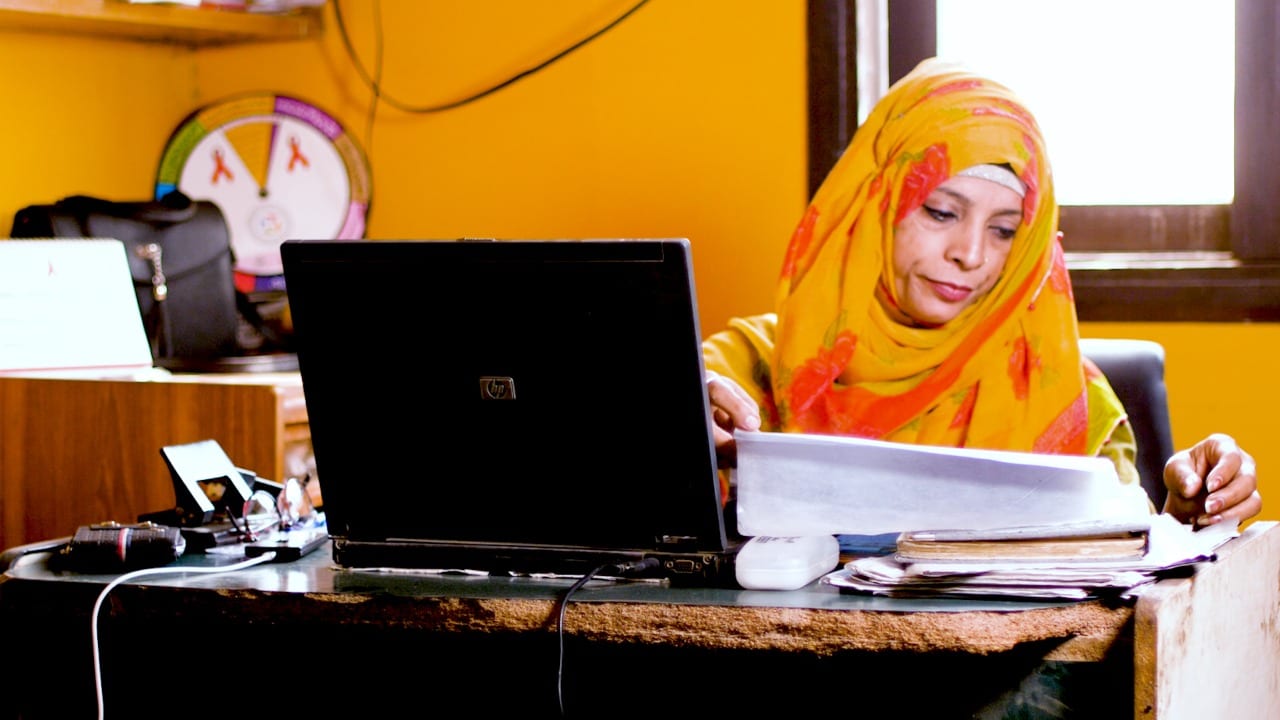
A resident of Karachi, Rubina works at the Umeed Medical Centre where she first received treatment. “The day I found out that I was HIV positive, I couldn’t stop crying. I thought this is the end of my life.”
When Rubina told her family that she had HIV, they stopped meeting her. She was told not to come home. Within a minute she lost her entire network of family, friends and neighbors. Nobody wanted to meet her because everyone was afraid.
One of the greatest misconceptions about HIV in Pakistan is that it can spread through touch. Due to a lack of awareness, people commonly believe that they too can be infected simply by being around an HIV positive individual.
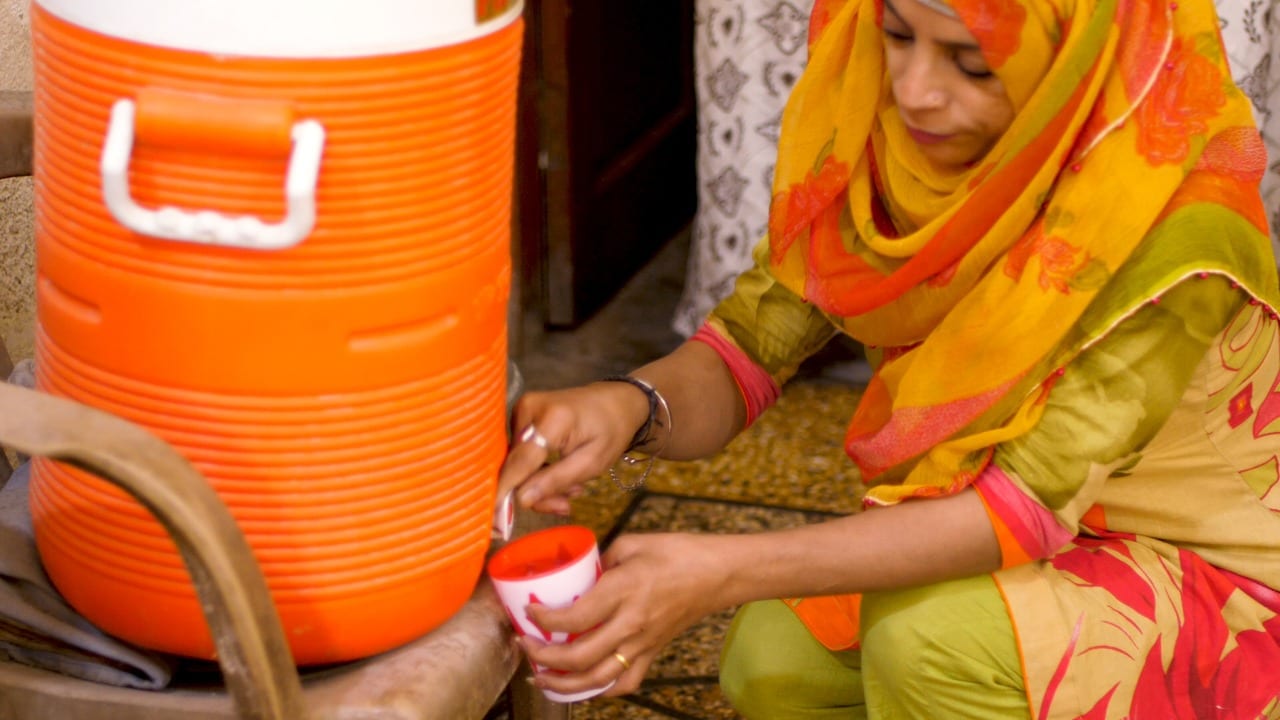
Shaking hands or having tea with an HIV patient poses no threat. The human immunodeficiency virus (HIV) can only be transmitted through certain human fluids capable of containing the virus, i.e. semen, blood, vaginal or rectal secretions and breast milk.
Despite their initial reaction, Rubina’s family refused to completely abandon her and eventually understood the dynamics of her illness. “They didn’t stop supporting me” she says. A tear slips from her eye as she begins to recall the struggles she survived.
“I had just finished my ninth grade exams when a proposal came for me and suddenly I was a married. But nobody told me that your husband-to-be is a drug addict.”
Arranged marriages are not uncommon in Pakistan. Parents of the prospective bride and groom meet to settle the arrangement, with their children having little to no say in the matter. Each party puts their best foot forward and hides their flaws.
As a naïve young girl with no knowledge of drugs and syringes Rubina was unprepared for the testing journey she had been compelled to embark upon. A drug addict with no income, Rubina’s husband was far from loving and caring.
“He would ask me for money. But I didn’t have any. So he would lock the room and beat me with wires. I would eat once a day if someone gave us food otherwise I would fall asleep hungry. They were very painful days.”
ADVERTISEMENT
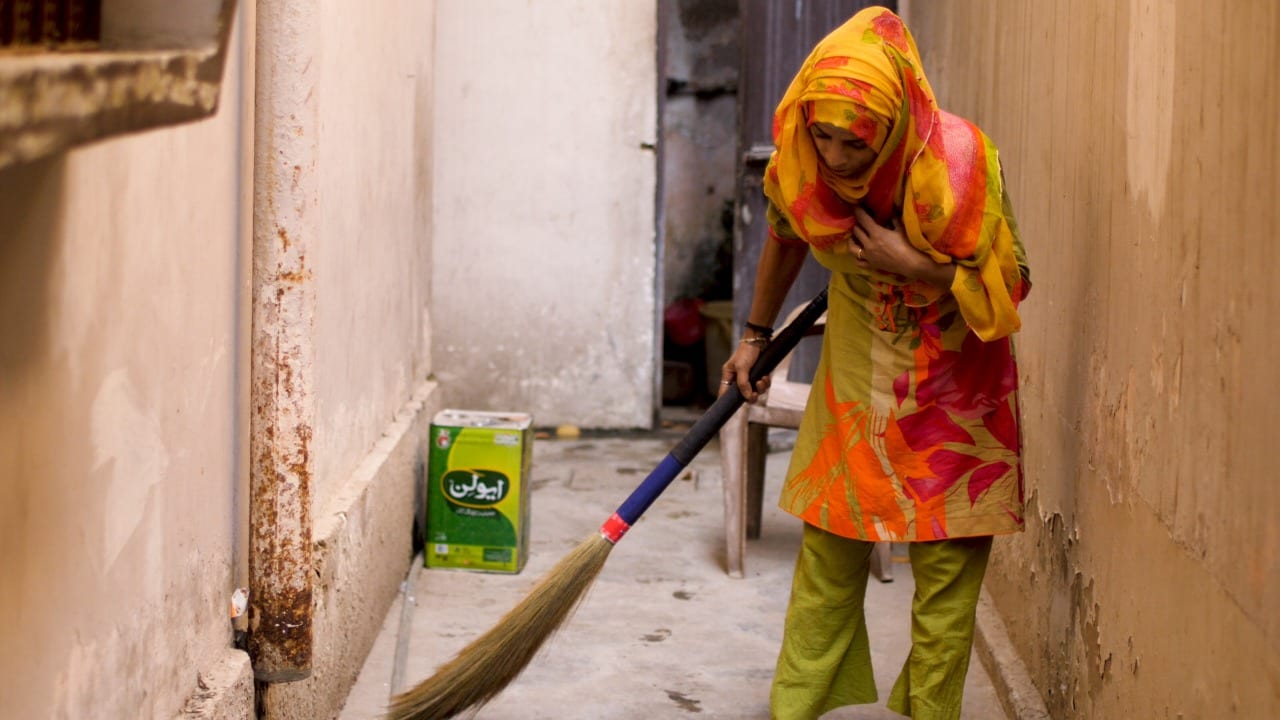
Another tear rolls down her cheek. I wait silently as she takes the hem of scarf and wipes it away. The small room suddenly feels smaller. Rubina composes herself and carries on.
“Then we had children and I became busy with them: sending them to school, feeding them, cleaning them. I kept myself occupied.”
Becoming a mother of four children granted Rubina some escape from her husband’s daily brutalities. But the little relief did not last long. Her husband had gifted her HIV before succumbing to death.
“He never told me he was HIV positive. His family didn’t tell me either. I don’t blame them, but at least he should have told me.”
According to the World Health Organization (WHO), HIV infections have been increasing in Pakistan at an alarming level since 1987. As per data gathered by UN AIDS, there are over a hundred thousand HIV/AIDS patients in the country, but only fifteen to twenty thousand are registered at clinics- most are too afraid of being ostracized.
The government has consistently failed to raise awareness regarding HIV and offer treatment. Majority of the patients across Pakistan rely on foreign NGOs for help. Rubina was among the many patients who were denied treatment by local hospitals.
“Doctors and nurses would run away from me as if I was cursed. But the Pakistan Society helped me. They treated me free of cost after speaking to my family. They even gave me a job afterwards.”
Today Rubina is not just an HIV patient. She is a mother, worker and a wife. Despite her illness Rubina found love.