

Among the entire universe, planet Earth is the only known home for billions of humans, animals, plants and marine life.
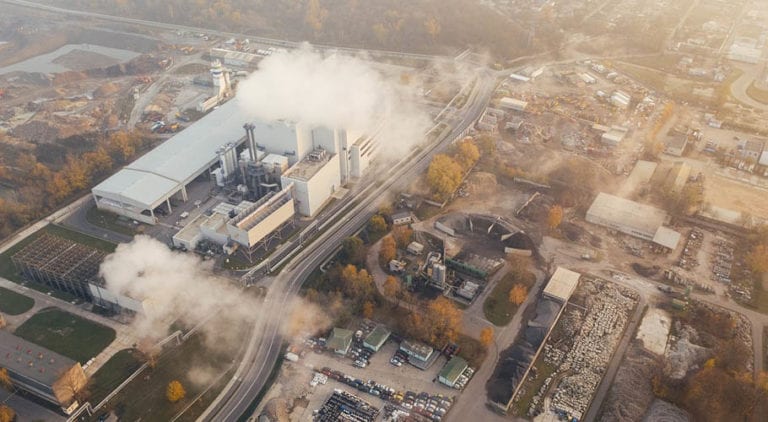
Humans have been altering the planet with industrial and development work placing the existence of all other species at stake. For this purpose, World Environment Day is being observed around the world to raise awareness about the impact of human interactions and the environment.
History
World Environment Day is the most renowned day for environmental action. Since 1974, it has been celebrated every year on 5 June. The day engages governments, businesses, celebrities and citizens to focus their efforts on a pressing environmental issue.
It has been a flagship campaign for raising awareness on emerging from environmental issues to marine pollution, human overpopulation, and global warming, to sustainable consumption and wildlife crime.
World Environment Day 2020 is being hosted by Columbia which holds 10 percent of the planet’s biodiversity. Since it is part of the Amazon rainforest, Colombia ranks first in bird and orchid species diversity and second in plants, butterflies, freshwater fish, and amphibians.
The theme this year is biodiversity – a concern that is both urgent and existential. Recent events demonstrate the interdependence of humans and the webs of life in which they exist.
This includes the bushfires in Brazil, the United States, and Australia to locust infestations across East Africa, Middle East and even Pakistan and global disease coronavirus pandemic which has wrecked havoc of human lives and health but has also demonstrated the interdependence on the environment.
Biodiversity
Biodiversity is the foundation that supports all life on land and below water. It affects every aspect of human health, provides clean air and water, nutritious foods, scientific understanding and medicine sources, natural disease resistance, and climate change mitigation.
Changing or removing one element affects the entire life system and can produce negative consequences.
Human actions and insatiable greed including deforestation, encroachment on wildlife habitats, intensified agriculture, and acceleration of climate change, have pushed nature beyond its limit.
It would take 1.6 Earths to meet the demands that humans make of nature each year. If we continue on this path, biodiversity loss will have severe implications for humanity, including the collapse of food and health systems.
Environment and COVID-19
The emergence of COVID-19 has underscored when we destroy biodiversity, we destroy the system that supports human life. It is estimated that about one billion cases of illness and millions of deaths occur every year from diseases.
Around 75 percent of all emerging infectious diseases in humans are zoonotic, meaning that they are transmitted to people by animals. We are highly dependent on animals and the novel coronavirus also jumped onto humans at a wet market in Wuhan, China that dealt in illegal wildlife.
Nature is sending us a message that we are harming the natural world to our own detriment. The degradation of natural habitat has been accelerating; climate change disruption is getting worse.
The oceans are heating and acidifying, destroying coral ecosystems. In the last 150 years, the live coral reef cover has been reduced by half. Within the next 10 years, one out of every four known species may have been wiped off the planet.
Now a new coronavirus is raging, undermining health and livelihoods. We must care for nature or the entire global community will change course. We need to rethink what we buy and use, adopt sustainable habits, farming and business models, and protect the remaining wildlife while also committing to a green future.
We must also put nature where it belongs and place the environment at the heart of decision making. As we are living in difficult time amid a pandemic, it’s time we realise that damage we have caused to the environment.
ADVERTISEMENT