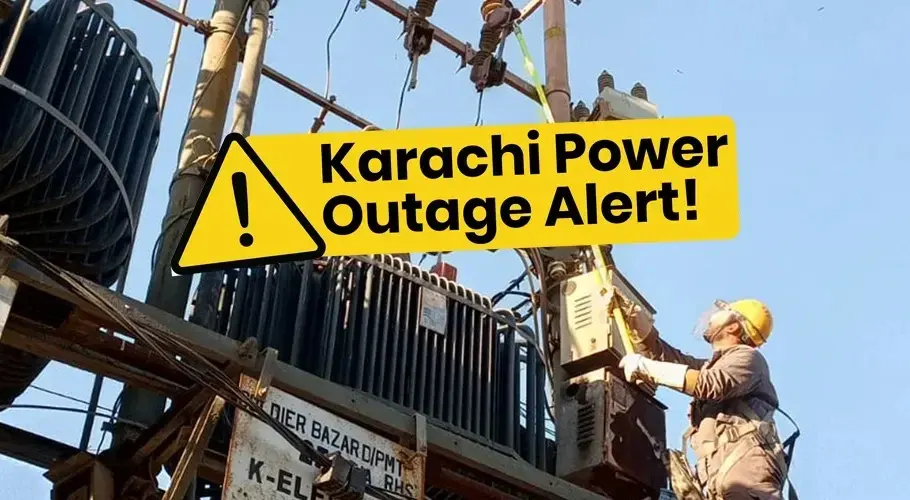


LAHORE/ISLAMABAD: Pakistanis across major cities and rural districts on Thursday described living conditions as “unbearable” as the country endured a fresh and deepening electricity crisis that officials and consumers say has delivered some of the most severe power outages in recent memory.
ایک بیٹی کا اپنی ماں سےمعصوم سوال:
“اماں پاکستان کا نام پوری دنیا میں روشن ہو رہا ہے تو پاکستان میں اندھیرا کیوں ہو رہا ہے۔”— Khawar Azhar (@Khawar69) April 16, 2026
In Lahore’s Johar Town subdivision residents reported near-continuous interruptions. “Load‑shedding all day, gas is gone, power has been out for the past two hours; now that the light has come on, one phase isn’t working,” a homeowner told MM News. A field engineer from the Lahore Electric Supply Company (LESCO) said the distribution (D) board appeared faulty and promised a check in the morning, but offered no immediate restoration timetable.
Across the federal capital, Islamabad, rolling outages have become more frequent and predictable only in their unpredictability. Several neighbourhoods reported scheduled cuts every hour, while in more remote rural areas consumers said outages now extend up to 12 hours a day. Industry sources warned that generation shortfalls in May and June could widen the gap between supply and demand if remedial measures are not taken swiftly.
Consumers and small-business owners voiced frustration at a convergence of pressures: rising electricity and fuel prices, dwindling gas supplies and longer-than-announced blackout windows. “They tell us an hour and a half; we get one hour after another. Bills are higher, costs of oil and gas are higher, and now this,” said a shopkeeper in Lahore’s commercial district.
The government’s earlier concerns about increased rooftop solar adoption — which had been attributed to a drop in utility sales — have become a focal point for critics and citizens alike. “A few days ago officials worried solar uptake reduced electricity sales; now the same officials tell us there simply isn’t electricity to give,” said an energy-sector analyst. Opposition voices and social-media users invoked past political statements as public anger grew, with an archived 2022 post by a senior political leader circulating widely online.
Health and comfort concerns are compounding public anger.
Residents report soaring mosquito nuisance as temperatures rise, while frequent power cuts multiply risks for vulnerable households dependent on electric fans, medical devices and refrigeration for medicines and food. “The intensity of the season is increasing, and with electricity disappearing every hour the problem becomes a health hazard,” said a physician in Rawalpindi.
Political leaders and civil-society figures urged urgent intervention. “The people are being punished despite their patriotism,” a community activist in Lahore said, appealing directly to the Prime Minister and the power minister to take “special notice” and end the outages.
Industry associations urged immediate steps to stabilise the grid, including emergency power purchases, faster repairs of distribution infrastructure and clearer public schedules to reduce the humanitarian impact on households and small businesses.
Power-distribution companies acknowledged pressure on the network, attributing part of the crisis to unanticipated demand peaks and equipment faults in certain urban distribution feeders. Utility spokespeople said work orders for repairs were being issued but did not provide a nationwide recovery timeline.
Energy experts warned that without rapid coordinated action — including targeted dispatch of generating units, emergency imports where feasible and accelerated maintenance of distribution assets — the shortfall could deepen in the coming weeks, particularly as seasonal demand rises.
The government has not yet announced any new nationwide measures to tackle the immediate crisis.
In the absence of a clear federal plan, provincial authorities and electricity distribution companies are left to manage rolling schedules and local restoration efforts, while consumers continue to face lengthy outages amid rising costs and growing public unrest.