
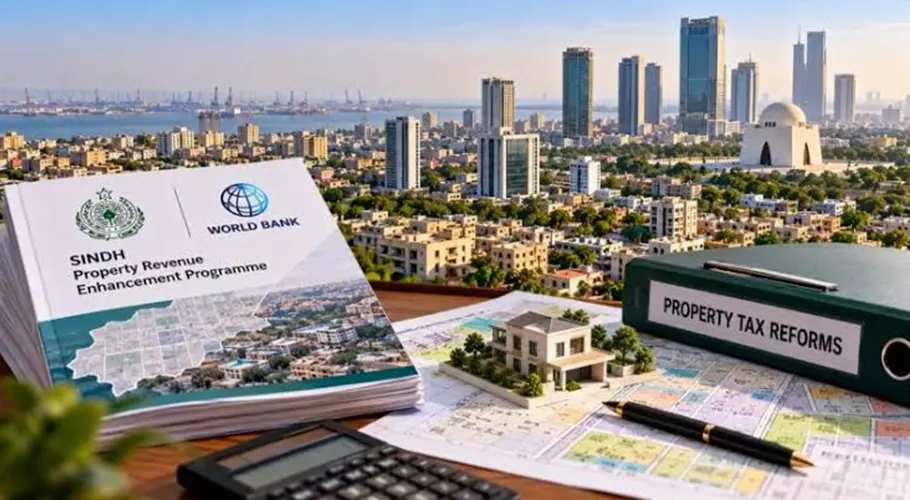
KARACHI: The World Bank has approved a $150 million loan for Pakistan to improve municipal services in Sindh and strengthen the financial capacity of local governments.
Under the proposed programme, Karachi’s annual property tax collection target is set to increase from $8.5 million to $85 million, while the tax collection rate is expected to rise from 20 per cent to 50 per cent.
According to the World Bank, the approved financing will support efforts to improve the performance of municipal institutions across Sindh and make local governments more financially sustainable. The programme is also aimed at providing local authorities with additional resources to undertake urban development projects and improve the delivery of essential municipal services.
Karachi Property Tax Collection Target to Increase Tenfold
A key component of the programme is a significant increase in property tax collection in Karachi.
The annual collection target is planned to rise from the existing $8.5 million to $85 million, representing a tenfold increase.
In addition, the property tax collection rate in Karachi is targeted to increase from 20 per cent to 50 per cent. The move is intended to strengthen the revenue base of municipal authorities and provide them with greater financial resources for development projects.
Local Governments to Spend 70% of Property Tax Revenue on Development
Under the World Bank-supported programme, local government institutions in Sindh will be allowed to spend 70 per cent of the property tax revenue they collect on development projects.
The measure is expected to help municipal authorities improve essential urban infrastructure and services, including roads, drainage systems, sanitation and other public facilities.
By allowing local governments to retain a larger share of collected revenue for development activities, the programme aims to strengthen their capacity to address the needs of local communities.
Around 3.58 Million People in Karachi Expected to Benefit
The programme is expected to benefit approximately 3.58 million people living within the jurisdictions of 25 municipal institutions in Karachi.
Its broader objectives include strengthening the financial autonomy of local governments, improving municipal service delivery and promoting development activities across urban areas of Sindh.
The initiative is also expected to help municipal institutions become more financially stable and better equipped to deliver essential services to residents.