
Public sector universities across Punjab are reporting a sharp drop in admissions this academic year, with enrollment in undergraduate, MPhil, and PhD programs falling by 20% to 30% in several institutions. The trend has sparked concern among educationists, who warn that the province’s higher education system is facing a deepening crisis.
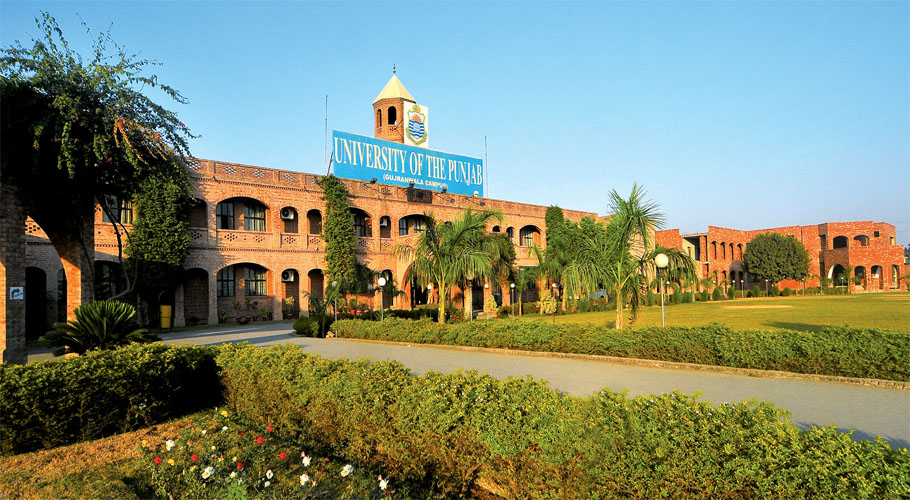
According to figures from the Punjab Higher Education Department, major institutions such as Punjab University Lahore, Government College University Faisalabad, and Bahauddin Zakariya University Multan have admitted fewer students than expected. Smaller universities in districts like Dera Ghazi Khan, Sahiwal, and Narowal are struggling even more, failing to fill seats in some of their most popular programs.
Experts point to a mix of factors behind the decline — most notably economic hardship, outdated curricula, and a growing mismatch between academic degrees and the needs of the job market.
“For many families, even public universities have become unaffordable due to hostel costs, transportation, books, and other expenses,” said Prof. Dr. Munawar Sabir, former chairman of Punjab University’s Geography Department.
Parents from rural and low-income areas say inflation has turned higher education into a luxury. Shamsa Bibi, a resident near Narowal, shared that her son, despite scoring well in his intermediate exams, had to abandon his university plans to work in a factory.
Academic experts also highlight the problem of outdated programs. “Several universities are still teaching in formats that haven’t changed in decades,” said Prof. Dr. Muhammad Arshad Ali. “Students want skills that lead to jobs, not degrees that leave them unemployed.”
As a result, more young people are turning to short professional courses, vocational diplomas, and online certifications — particularly in IT and digital skills — which promise quicker employment. The rise of freelancing and gig work has accelerated this shift.
Postgraduate admissions have also suffered, with MPhil and PhD programs seeing a steep drop in applicants, raising fears of reduced research activity and academic stagnation in Punjab.
Educationists are calling for urgent government action, including increased scholarships for low-income students, subsidized transport, reduced entry test fees, modernized curricula aligned with industry demands, and stronger university–industry partnerships to improve employability.
Without swift intervention, they warn, Punjab’s higher education sector risks losing not only its students but also its role in driving the province’s social and economic development.