
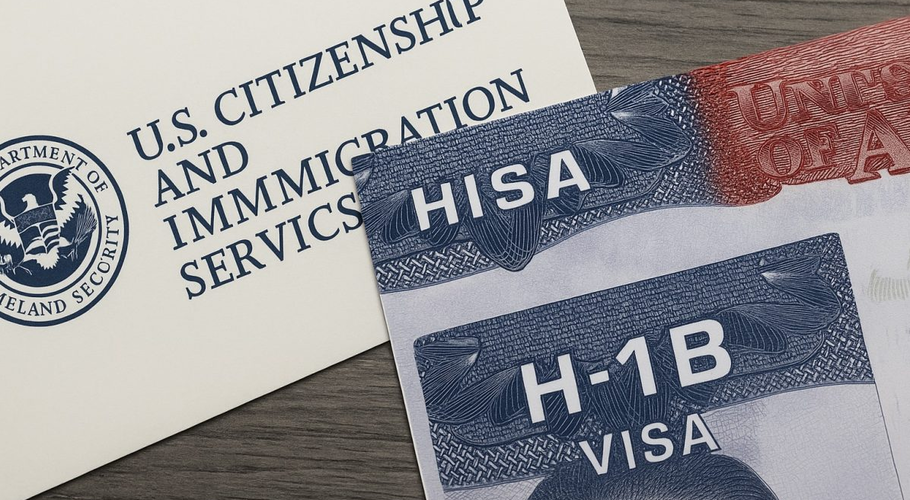
WASHINGTON: The H-1B visa $100K fee is back on the table, and this time it targets workers already living in the United States.
The Trump administration proposed a $103,265 charge on H-1B petitions Monday, weeks after a federal court struck down its earlier version of the fee. The Department of Homeland Security’s proposed regulation would charge employers seeking skilled foreign workers this new fee.
The move revives a policy fight that has rattled tech companies, universities and thousands of foreign professionals since last year.
Why the H-1B Visa $100,000 Fee Returned
Media reports suggest the Trump administration wants to apply the expansive H-1B visa $100,000 fee to individuals already hired within the US, after a court blocked a more limited charge targeting workers from outside the country.
A Boston federal judge had ruled the original proclamation unlawful, and the appeals court refused to pause that decision. Officials responded by rewriting the rule instead of abandoning it.
What Changes Under the New Proposal
The new fee would apply to all H-1B petitions subject to the annual cap, including applicants with master’s degrees. That marks a shift from the original policy, which mainly hit new hires from abroad.
Universities, hospitals and research institutions would avoid the charge this time. DHS says the revenue will fund the legal immigration system, including immigration courts.
Will H-1B Workers Be Forced to Leave?
Immigration attorneys warn the changes go further than fees alone.
The White House is also reviewing a plan to eliminate the 60-day grace period that lets laid-off H-1B holders search for new sponsors. Without it, workers would lose status immediately and need to leave the country. Legal experts say employers must now weigh whether sponsoring H-1B talent remains financially sustainable.
The Road Ahead for the H-1B Visa $100,000 Fee
Courts will likely face fresh challenges to this rule, just as they did before. Companies, meanwhile, must plan hiring around continued uncertainty. The H-1B visa fee update for 2026 signals Washington isn’t finished reshaping skilled immigration policy, and affected workers should expect more changes ahead.